
Minimum vs Full Coverage — South Carolina
Free to compare
What You're Actually Comparing
You're weighing two policy structures: minimum coverage that meets South Carolina's legal requirements, and full coverage that adds collision and comprehensive to protect your own vehicle. Minimum coverage in South Carolina means $25,000 bodily injury per person, $50,000 bodily injury per accident, $25,000 property damage, and uninsured motorist coverage at the same limits. Full coverage adds collision (pays for damage to your car after an accident regardless of fault) and comprehensive (pays for theft, weather, vandalism, and animal strikes).
South Carolina is one of twelve states that mandate uninsured-motorist coverage, so your minimum policy already includes protection against drivers who carry no insurance. That mandatory UM layer narrows the protection gap between minimum and full coverage compared to states where UM is optional. The choice you're making is whether to add your-own-vehicle damage coverage on top of the liability and UM base the state already requires.
“South Carolina mandates uninsured-motorist coverage, so your minimum policy already includes protection against drivers who carry no insurance.”

Find Coverage That Keeps You Legal in South Carolina
Get My South Carolina Car Insurance Quote$25,000 / $50,000 / $25,000
South Carolina Minimum Liability
Bodily injury per person, bodily injury per accident, and property damage limits required to register and legally drive in South Carolina. Uninsured motorist coverage at matching limits is also mandatory.
South Carolina Department of Motor Vehicles
What Minimum Coverage Actually Protects
Minimum coverage pays for injuries and property damage you cause to others. The $25,000 per-person bodily injury limit covers medical bills, lost wages, and pain-and-suffering claims for one injured person in the other vehicle. The $50,000 per-accident limit is the maximum your policy pays when multiple people are injured. The $25,000 property damage limit covers repairs to the other driver's car, fences, buildings, or other property you hit.
Your mandatory uninsured-motorist coverage pays your own medical bills and lost wages when a driver with no insurance hits you, up to the same $25,000/$50,000 limits. South Carolina's 10.3% uninsured-motorist rate means roughly one in ten drivers on the road carries no coverage, so UM protection matters. Minimum coverage does not pay to repair or replace your own vehicle after any collision, and it does not cover theft, hail, flood, fire, or animal strikes to your car.
If you cause an accident and the other driver's medical bills exceed $25,000, you pay the difference out of pocket. If you total your own car in an at-fault crash, you pay the full replacement cost yourself. Minimum coverage keeps you legal and protects others; it does not protect your vehicle or your assets beyond the state minimums.
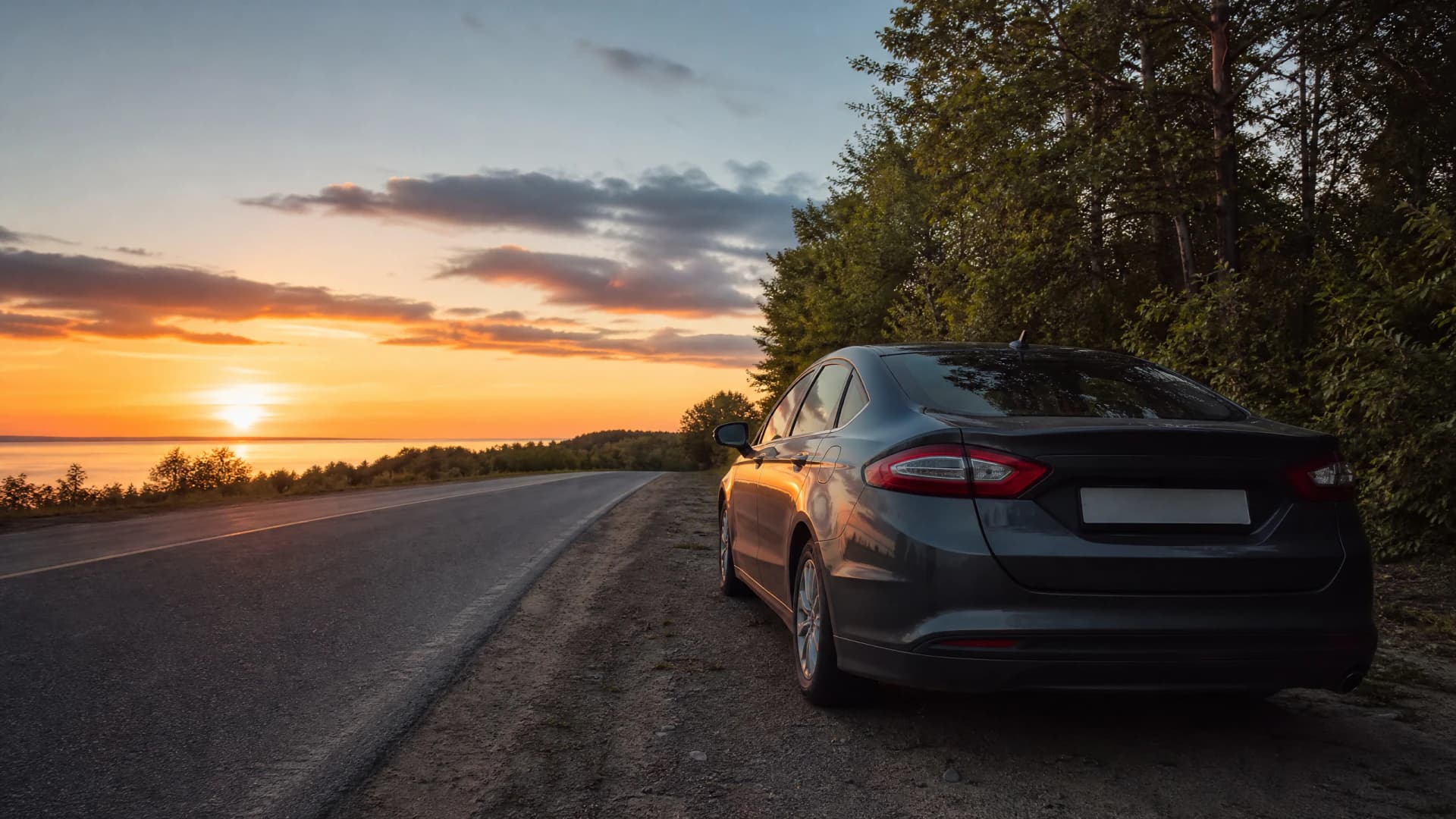
Minimum coverage leaves you personally liable for any damage to your own vehicle and for any injury or property claim that exceeds the state minimums.
Related Articles





When Full Coverage Makes Financial Sense
Full coverage makes sense when your vehicle's value justifies the added premium. A common threshold: if your car is worth more than ten times the annual collision and comprehensive premium, the coverage typically pays for itself over the vehicle's remaining life.
Lenders require full coverage on financed and leased vehicles because the lender holds a security interest in the car. If you total the vehicle, the lender needs the insurance payout to satisfy the loan balance. Once the loan is paid off, the full-coverage requirement disappears and the decision becomes yours. Drivers who own their vehicles outright and have sufficient savings to replace the car without a payout often drop collision and comprehensive and carry only the state-required minimum plus any optional higher liability limits they choose.
South Carolina's fault-based system means the at-fault driver's liability coverage pays for your vehicle damage when the other driver caused the crash. But 10.3% of drivers carry no insurance, and many more carry only the $25,000 property damage minimum, which may not cover the full repair cost of a newer vehicle. Collision coverage closes that gap — your carrier pays your repair bill immediately, then pursues the at-fault driver's insurer or assets for reimbursement. Without collision, you file a claim against the at-fault driver's property damage coverage and wait for their carrier to investigate, accept liability, and pay, a process that can take weeks when fault is disputed.
10.3%
South Carolina Uninsured Motorist Rate
Roughly one in ten drivers on South Carolina roads carries no liability insurance, meaning your uninsured-motorist coverage and your collision coverage are the only layers protecting you when an uninsured driver causes a crash.
Insurance Information Institute, 2023

How Deductibles Shape the Full-Coverage Decision
Collision and comprehensive premiums drop significantly when you raise the deductible from $500 to $1,000. A higher deductible means you pay more out of pocket after each claim, but you pay less every month. Drivers with emergency savings often choose the $1,000 deductible to lower the recurring cost, knowing they can cover the deductible if a claim occurs. Drivers without savings buffer typically choose the $500 deductible to limit the one-time expense after an accident, even though the monthly premium is higher.
The deductible applies per claim, not per year. If you file three comprehensive claims in one year — hail damage in spring, a deer strike in fall, and theft in winter — you pay the deductible three times. Frequent small claims can cost more in deductibles than the coverage saves, which is why many drivers choose to pay minor damage out of pocket rather than file a claim that raises future premiums.
Comparing Carriers for Minimum and Full Coverage
Twenty carriers write auto insurance in South Carolina, and their pricing for minimum versus full coverage varies widely. South Carolina's carrier roster includes preferred-tier carriers like State Farm, Allstate, and USAA, standard-tier carriers like Geico, Progressive, and Nationwide, and non-standard carriers like The General, Dairyland, and Acceptance that specialize in high-risk drivers.
Carriers that offer the lowest minimum-coverage rate do not always offer the lowest full-coverage rate. Some non-standard carriers price minimum coverage aggressively to capture high-risk drivers required to carry only liability, but their collision and comprehensive rates are higher than standard-tier competitors. Comparing quotes from at least three carriers in different tiers shows the actual range. Request quotes with identical liability limits, identical UM limits, and identical collision and comprehensive deductibles so the comparison isolates the carrier's base rate, not differences in coverage structure.
What Full Coverage Adds to the Minimum Base
Collision coverage pays to repair or replace your vehicle after any crash, regardless of who caused it. You choose a deductible — typically $500 or $1,000 — and the carrier pays the repair cost above that amount, up to your car's actual cash value. If you're at fault, collision pays for your car even though your liability coverage already paid for the other driver's car. If the other driver is at fault but uninsured or underinsured for property damage, collision pays your repair bill and your carrier pursues the at-fault driver for reimbursement.
Comprehensive coverage pays for non-collision damage: theft, vandalism, hail, flood, fire, falling objects, and animal strikes. You choose the same deductible structure. South Carolina's vehicle theft rate of 217.3 per 100,000 population and the state's severe-weather exposure make comprehensive a frequent claim trigger. Comprehensive and collision together mean your vehicle is covered for nearly every damage scenario, not just liability to others.
Get Your Free Quote
Get My South Carolina Car Insurance QuoteFrequently Asked Questions
Can I drop collision and comprehensive after my car is paid off?
Yes. Once your lender releases the lien, you can drop collision and comprehensive and carry only South Carolina's required minimum liability and uninsured motorist coverage. Many drivers keep full coverage on paid-off vehicles if the car's value justifies the premium, but the legal requirement ends when the loan is satisfied.
Does South Carolina require comprehensive and collision coverage?
No. South Carolina requires only $25,000/$50,000/$25,000 liability and matching uninsured-motorist coverage. Collision and comprehensive are optional unless your lender requires them as a condition of the loan or lease.
What happens if I carry only minimum coverage and total my car?
You receive no payout for your own vehicle. Minimum coverage pays only for injuries and property damage you cause to others. If you're at fault, your liability coverage pays for the other driver's car, but you pay the full cost to replace your own car out of pocket.
Will my premium drop significantly if I switch from full coverage to minimum?
Typically yes, because collision and comprehensive premiums make up the majority of full-coverage cost. The exact savings depends on your vehicle's value, your deductible, your driving record, and your carrier. Request a quote with only liability and uninsured motorist to see the difference.
Does uninsured motorist coverage pay for my car repairs?
No. South Carolina's required uninsured-motorist coverage pays your medical bills and lost wages when an uninsured driver injures you, but it does not cover vehicle damage. Only collision coverage pays to repair your car after a crash with an uninsured driver.
Can I add collision and comprehensive mid-term after buying minimum coverage?
Yes. Contact your carrier and request to add collision and comprehensive to your existing policy. The carrier will re-rate your policy effective the date you add the coverage, and your premium will increase from that point forward. The change does not require waiting until renewal.