
Liability-Only vs Full Coverage — South Carolina
Free to compare
The Multi-Car Coverage Structure Decision
You're managing insurance for two or more vehicles in South Carolina, and you've hit the coverage-structure question: carry just the state minimum liability on every car, or add collision and comprehensive to some or all of them. The premium difference scales with every vehicle you add, and the decision you make for one car affects your exposure on all the others.
South Carolina requires $25,000 per person and $50,000 per accident in bodily injury liability, plus $25,000 in property damage liability. That minimum protects others when you cause an accident. It does nothing for your own vehicles. Collision and comprehensive — together called full coverage when paired with liability — cover your car when you hit something, when something hits you, or when theft or weather damage it. Most households split the decision: full coverage on the newer car, liability-only on the older one. That split creates a claim scenario most drivers don't map until it happens.
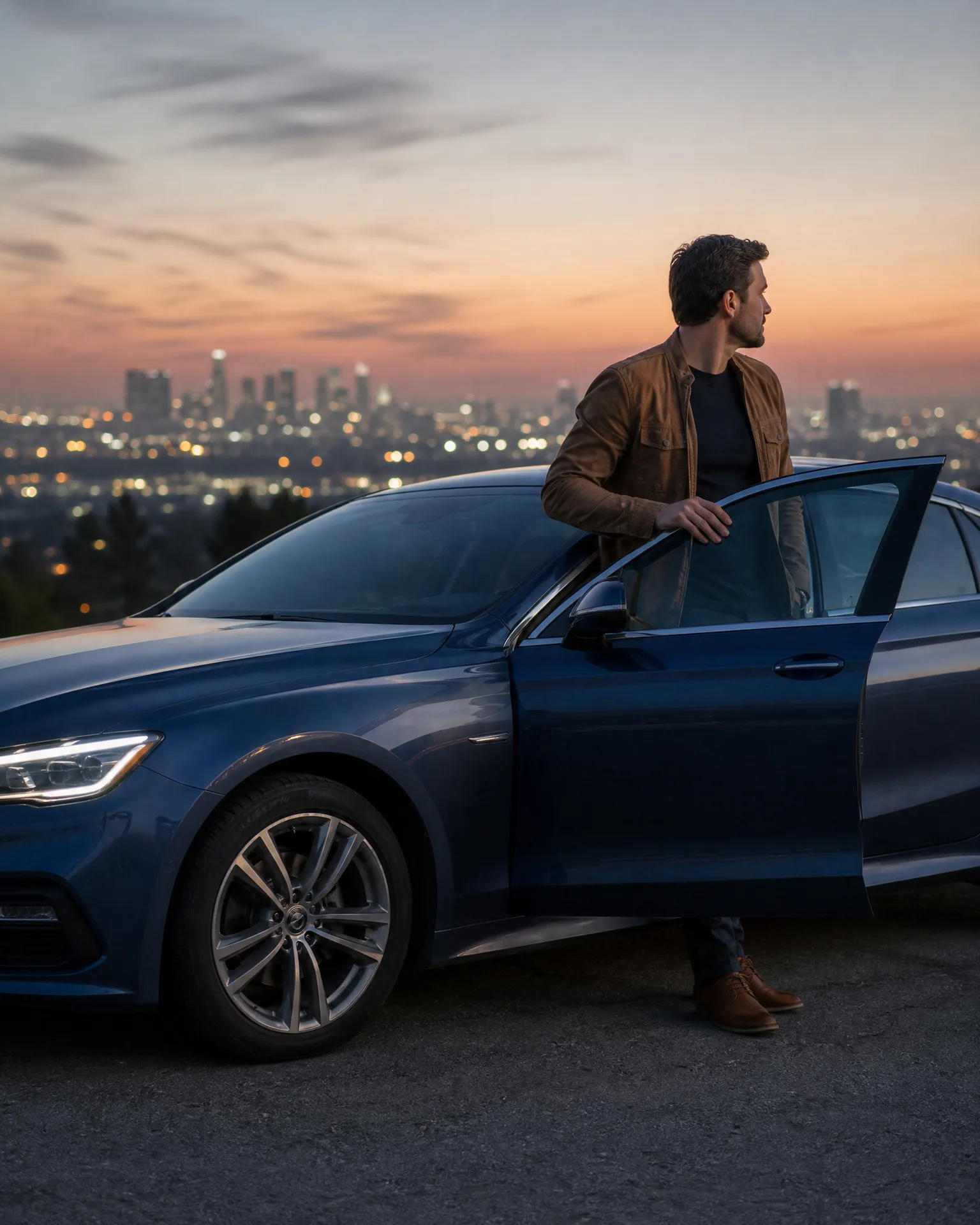
“A liability-only vehicle that's totaled produces zero claim payment to you, regardless of fault.”
Find Coverage That Keeps You Legal in South Carolina
Get My South Carolina Car Insurance Quote$25,000/$50,000/$25,000
SC Minimum Liability Limits
South Carolina law requires every driver to carry at least $25,000 per person and $50,000 per accident in bodily injury liability, plus $25,000 in property damage liability. These limits protect others; they do not cover damage to your own vehicle.
South Carolina Department of Motor Vehicles
What Liability-Only Actually Covers Across Multiple Vehicles
Liability-only means you carry the state minimum bodily injury and property damage coverage, plus uninsured motorist coverage, which South Carolina mandates. When you cause an accident, your liability coverage pays for the other driver's injuries and vehicle damage up to your policy limits. Uninsured motorist coverage pays for your injuries when an uninsured driver hits you. Neither pays to repair or replace your own car.
When you insure multiple vehicles on one policy and choose liability-only for all of them, you're self-insuring every car you own. A total loss on any vehicle — whether you caused the accident, another driver hit you and fled, or a tree fell on it — leaves you covering the replacement cost out of pocket. For a household with three or four cars, that exposure stacks. One total-loss event can wipe out the premium savings you accumulated over years of carrying minimum coverage.
The structural reality households miss: liability-only is not a per-vehicle decision when all your cars sit on one policy. It's a household asset decision. If you can't replace any one of your vehicles without financial strain, liability-only on that vehicle creates risk across your household budget, not just that car.
A liability-only vehicle that's totaled produces zero claim payment to you, regardless of fault, and the loan or lease on that car does not disappear with the wreck.
Related Articles







The Loan and Lease Constraint on Coverage Structure
If you finance or lease any vehicle on your multi-car policy, the lender requires full coverage on that vehicle. You cannot carry liability-only on a financed car. The lender is listed as a loss payee on the policy, and collision and comprehensive coverage protect their collateral. When you pay off the loan, the lender requirement drops and you can remove collision and comprehensive if you choose. Until then, the coverage decision is made for you.
Households with one financed vehicle and two paid-off vehicles face a common structure: full coverage on the financed car because the lender requires it, liability-only on the paid-off cars to reduce premium. That structure leaves the paid-off vehicles unprotected. If one is totaled, you replace it out of pocket while continuing to pay the loan on the financed car. For many households, that scenario is manageable. For others, it's a financial shock they did not map when they dropped collision and comprehensive to lower the premium.
The structural blocker: you cannot test-drive a total loss. You make the coverage decision in calm conditions, then experience the consequence in crisis conditions when a car is wrecked and you need another one immediately. The question to ask before you drop collision and comprehensive on any vehicle: if this car is totaled tomorrow, can I replace it without borrowing or disrupting other household expenses? If the answer is no, liability-only on that vehicle is a risk you're choosing to carry.
10.3%
SC Uninsured Motorist Rate
One in ten South Carolina drivers operates without insurance. When an uninsured driver totals your liability-only vehicle, your uninsured motorist coverage pays for your injuries but not for your car. You absorb the vehicle loss.
Insurance Information Institute, 2023

Deductibles and the Per-Vehicle Cost of Full Coverage
Collision and comprehensive each carry a deductible — the amount you pay out of pocket before the carrier pays the rest of the claim. Common deductibles are $500 or $1,000. A lower deductible increases your premium; a higher deductible lowers it. When you add full coverage to multiple vehicles, you choose a deductible for each vehicle separately. Most households choose the same deductible across all vehicles to simplify claims, but you can vary them if one car's value justifies a different structure.
The deductible matters when you're deciding whether to keep full coverage on an older vehicle. That math works for some households and doesn't for others. The breakpoint is not universal; it depends on your household's ability to replace the vehicle without coverage.
Compare Carriers That Write Multi-Car Policies in South Carolina
Twenty-one carriers write auto insurance in South Carolina and offer multi-car policies. Collision and comprehensive pricing varies significantly by carrier, vehicle, and driver profile. One carrier may price full coverage on your older vehicle at a level that makes keeping it worthwhile; another may price it high enough that liability-only becomes the rational choice. You will not know which until you compare quotes with the same coverage structure across multiple carriers.
When you request quotes, specify the coverage structure you're evaluating: liability-only on all vehicles, full coverage on all vehicles, or a split structure with full coverage on some and liability-only on others. Carriers price each structure differently, and the premium difference between liability-only and full coverage on a multi-car policy is not a simple per-vehicle add. The total premium reflects the interaction of the multi-car discount, the liability base rate, and the collision and comprehensive cost per vehicle. Compare the total annual premium for each structure, then divide by twelve to see the monthly difference. That monthly figure is what you're paying to protect your vehicles or saving by self-insuring them.
What Full Coverage Adds to a Multi-Car Policy
When you add full coverage to one vehicle on a multi-car policy, only that vehicle gets collision and comprehensive protection. The other cars remain liability-only unless you add coverage to them separately. Carriers price collision and comprehensive per vehicle, not per policy, so adding full coverage to a second or third car increases your total premium by the cost of those coverages on that specific vehicle. The multi-car discount applies to the liability portion of every vehicle on the policy, but it does not reduce the collision or comprehensive cost.
Most South Carolina households structure coverage this way: full coverage on the newest or highest-value vehicle, liability-only on older paid-off cars worth less than the annual cost of adding collision and comprehensive. That structure works when the older vehicles are replaceable without financial strain. It fails when a total loss on the liability-only car forces you to finance a replacement while still paying the loan on the full-coverage vehicle. The decision hinges on whether you can absorb a sudden total-loss expense on any vehicle you're self-insuring.
Get Your Free Quote
Get My South Carolina Car Insurance QuoteFrequently Asked Questions
Can I carry full coverage on one car and liability-only on another on the same policy?
Yes. South Carolina carriers allow you to structure coverage differently for each vehicle on a multi-car policy. Full coverage on one vehicle and liability-only on another is a common structure for households with one newer financed car and one or more older paid-off vehicles.
Does the multi-car discount apply to collision and comprehensive coverage?
The multi-car discount applies to the liability portion of your premium, not to collision and comprehensive. Collision and comprehensive are priced per vehicle based on that vehicle's value, age, and risk profile. The discount reduces your total premium, but it does not directly lower the cost of adding full coverage to additional vehicles.
What happens if I total a liability-only vehicle in South Carolina?
Your carrier pays nothing for your vehicle. If you caused the accident, your liability coverage pays for the other driver's vehicle and injuries. If another driver caused it and they carry insurance, their liability coverage pays for your vehicle. If they're uninsured or underinsured, you absorb the loss unless you carry uninsured motorist property damage coverage, which South Carolina does not require.
How do I decide whether to keep full coverage on an older vehicle?
Compare the annual cost of collision and comprehensive on that vehicle to the net claim payment you'd receive after the deductible if the car were totaled. The decision depends on whether you can replace the vehicle without coverage if it's totaled.
Do I need full coverage if I own my car outright?
No. South Carolina requires only liability and uninsured motorist coverage. Once you pay off a vehicle, you can drop collision and comprehensive if you choose. The trade-off is that you self-insure the vehicle's value. If it's totaled, you replace it out of pocket.
Can I add full coverage to a vehicle mid-policy after buying it?
Yes. When you add a vehicle to your policy, you choose the coverage level at that time. If you initially add it with liability-only and later decide to add collision and comprehensive, contact your carrier to adjust the coverage. The premium adjusts from the date of the change forward.