
South Carolina Fault-Based Insurance — South Carolina
Free to compare
South Carolina Operates Under Fault-Based Insurance
South Carolina is not a no-fault state. The state follows a traditional fault-based liability system where the driver who causes an accident is financially responsible for the other party's injuries and property damage through their liability insurance. When you structure coverage for multiple vehicles in your household, every car on your policy must carry the state's minimum liability limits: $25,000 per person for bodily injury, $50,000 per accident for bodily injury, and $25,000 for property damage.
This matters when you insure two or more vehicles because each car's liability coverage protects you when any household driver causes an accident in that vehicle. A household with three cars and two drivers faces the same liability exposure per vehicle as a single-car household, and the at-fault driver's coverage on the vehicle they were driving pays the claim. The multi-car discount lowers your combined premium, but it does not change the per-vehicle liability requirement or the fault-based claim process.
“Liability limits do not pool across vehicles. Each car's coverage stands alone, and the at-fault driver's policy on the vehicle they were driving pays the claim.”

Find Coverage That Keeps You Legal in South Carolina
Get My South Carolina Car Insurance Quote$25,000 / $50,000 / $25,000
South Carolina Minimum Liability
Every vehicle registered in South Carolina must carry at least $25,000 per person for bodily injury, $50,000 per accident for bodily injury, and $25,000 for property damage. These minimums apply to each car on your policy, and the at-fault driver's liability coverage on the vehicle they were driving pays the other party's claim.
South Carolina Department of Motor Vehicles
How Fault-Based Claims Work for Multi-Car Households
When a driver in your household causes an accident, the liability coverage on the vehicle they were driving pays for the other party's medical bills, lost wages, and property damage up to the policy limits. The injured party files a claim against your liability insurance, not their own. If your liability limits are too low to cover the full claim, you are personally responsible for the difference.
For households with multiple vehicles, this means every car must carry enough liability coverage to protect your household assets if any driver causes a serious accident. The multi-car discount reduces your total premium, but it does not pool liability limits across vehicles. Each vehicle's coverage stands alone.
South Carolina also requires uninsured motorist coverage, which pays your own medical bills and lost wages when an uninsured or underinsured driver hits you. This coverage applies per vehicle and protects every household member listed on the policy. When you add a second or third car, the uninsured motorist coverage on that vehicle extends the same protection to every driver in your household who uses it.
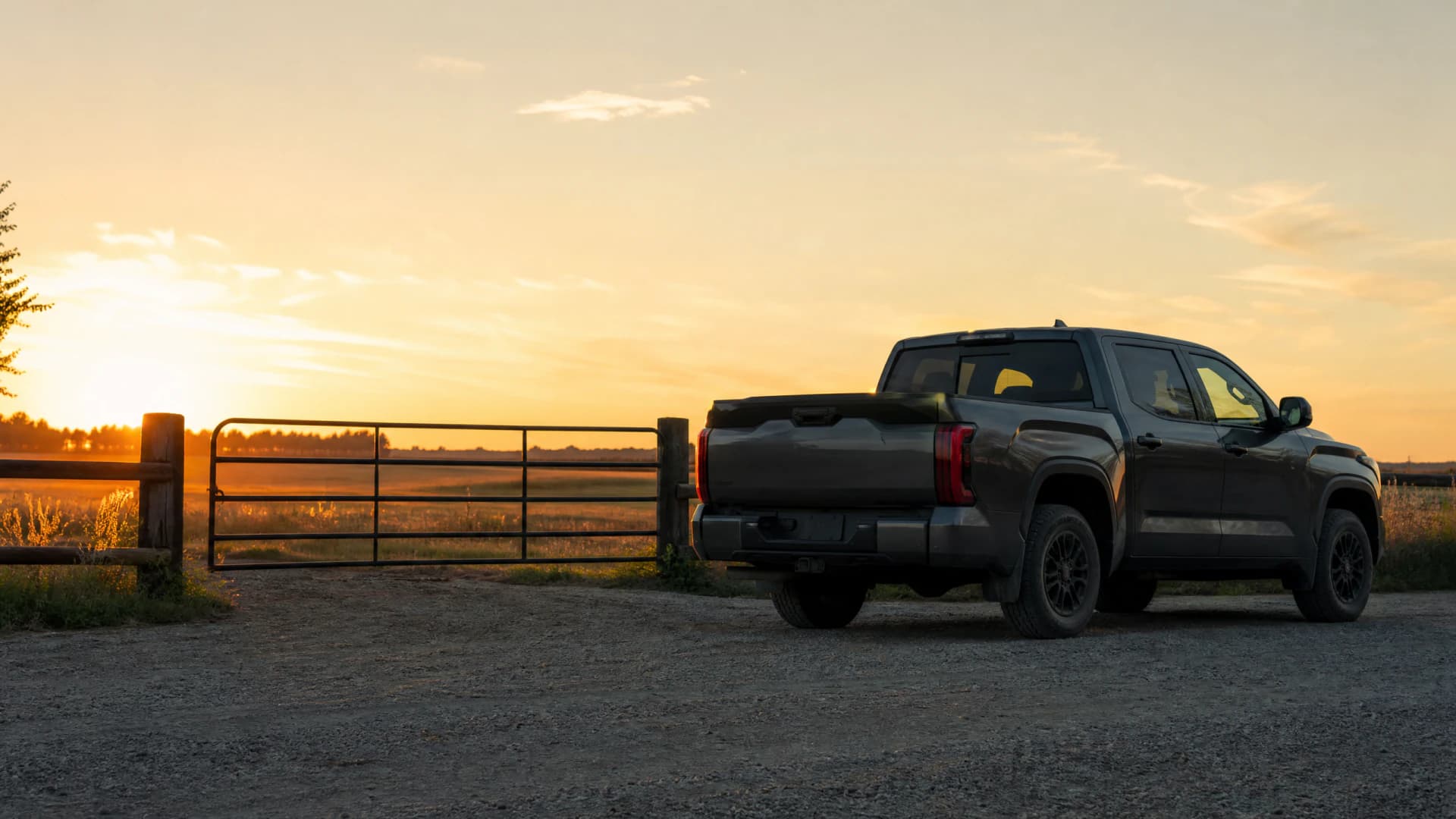
The at-fault driver's liability coverage on the vehicle they were driving pays the claim. Liability limits do not pool across the vehicles on your policy.
Related Articles





Comparing Fault-Based and No-Fault Systems
In a no-fault state, your own insurance pays your medical bills after an accident regardless of who caused it, and you generally cannot sue the at-fault driver unless your injuries meet a statutory threshold. South Carolina does not follow this model. You file a claim against the at-fault driver's liability insurance, and you can sue that driver for damages their insurance does not cover.
This distinction changes how you structure coverage for multiple vehicles. In a no-fault state, personal injury protection coverage on each car pays your household's medical bills after any accident. South Carolina does not require personal injury protection. Instead, the state mandates uninsured motorist coverage, which pays your medical bills only when an uninsured or underinsured driver hits you. Your own liability coverage does not pay your medical bills after an accident you cause; you need health insurance or optional medical payments coverage for that.
For a household with three cars and two drivers, this means the liability coverage on each vehicle protects you from claims filed by others, and the uninsured motorist coverage on each vehicle protects you from uninsured drivers. The fault-based system places more emphasis on liability limits because you face direct financial exposure when you cause an accident, and the injured party can pursue your personal assets if your liability coverage falls short.
10.3%
South Carolina Uninsured Motorist Rate
One in ten drivers on South Carolina roads carries no insurance. Uninsured motorist coverage is mandatory on every vehicle and pays your medical bills and lost wages when an uninsured driver hits you. The coverage applies per vehicle, so every car on your policy extends this protection to your household.
Insurance Information Institute, 2023

Adding Vehicles and Adjusting Liability Coverage
When you add a second or third vehicle to your policy, the carrier re-rates the entire policy and applies the multi-car discount to the new total premium. The liability coverage on the new vehicle must meet the state minimum, but you can choose higher limits on that car independently of the limits on your other vehicles. Most carriers allow you to set different liability limits per vehicle, though many households choose the same limits across all cars for simplicity.
Adding a vehicle mid-term triggers an immediate re-rating. The carrier calculates the pro-rated premium for the new car from the date you add it through the end of the current policy term, applies the multi-car discount to the revised total, and bills you for the difference. If the new vehicle is a higher-value car or is driven by a younger household member, the incremental cost may be larger than the cost of your first two cars combined, even with the discount.
Compare Carriers That Write Multi-Car Policies in South Carolina
Twenty carriers write auto insurance in South Carolina, and most offer multi-car discounts when you insure two or more vehicles on one policy. The size of the discount, the base rate before the discount, and the liability limits available vary by carrier. A smaller discount on a lower base rate can produce a lower total premium than a larger discount on a higher base rate, so compare quotes from at least three carriers before you add a vehicle or combine policies.
Use the site's comparison tool to request quotes from carriers licensed in South Carolina. Enter the number of vehicles you need to insure, the drivers in your household, and the liability limits you want on each car. The tool returns quotes from multiple carriers, and you can adjust limits and deductibles to see how each change affects your total premium. Compare the per-vehicle cost and the total policy cost side by side, and confirm that every vehicle meets the state's minimum liability requirement before you bind coverage.
Structuring Liability Coverage Across Multiple Vehicles
Start with the state minimum: $25,000 per person, $50,000 per accident, and $25,000 for property damage. A household with two cars pays for liability coverage on both vehicles, and the multi-car discount typically reduces the combined premium by 10 to 25 percent compared to insuring each car separately. The discount applies to the total policy premium, not to each vehicle's liability coverage individually.
Consider higher limits if your household owns assets worth protecting. When you add a third or fourth vehicle, the incremental cost of higher limits on that additional car is often smaller than the first two because the multi-car discount grows with each vehicle added to the policy.
Get Your Free Quote
Get My South Carolina Car Insurance QuoteFrequently Asked Questions
Does South Carolina require no-fault insurance?
No. South Carolina uses a fault-based system where the at-fault driver's liability insurance pays for the other party's injuries and property damage. You file a claim against the at-fault driver's insurance, not your own.
What are the minimum liability limits in South Carolina?
$25,000 per person for bodily injury, $50,000 per accident for bodily injury, and $25,000 for property damage. Every vehicle registered in South Carolina must carry at least these amounts.
Does the multi-car discount change my liability coverage?
No. The multi-car discount reduces your total premium when you insure two or more vehicles on one policy, but it does not change the liability limits on each vehicle or pool those limits across cars.
What happens if my liability coverage is too low after an accident?
You are personally responsible for any damages that exceed your liability limits. The injured party can sue you for the difference, and a judgment can attach to your wages, savings, and other assets.
Is uninsured motorist coverage required in South Carolina?
Yes. South Carolina requires uninsured motorist coverage on every vehicle. It pays your medical bills and lost wages when an uninsured or underinsured driver hits you. The coverage applies per vehicle and protects every household member on the policy.
Can I set different liability limits on each vehicle?
Yes. Most carriers allow you to choose different liability limits for each vehicle on your policy, though many households use the same limits across all cars for simplicity.
How does adding a vehicle affect my liability coverage?
The new vehicle must carry at least the state minimum liability limits. The carrier re-rates your entire policy, applies the multi-car discount to the new total, and bills you for the pro-rated premium from the date you add the car through the end of the term.