
The Multi-Car Roadside Decision
You insure two or more vehicles on one South Carolina policy and your carrier offers roadside assistance as an add-on. The question is whether to add it to every vehicle, just one, or skip it entirely and use a standalone membership instead. Most carriers charge per vehicle, so adding roadside to three cars costs three times the single-vehicle rate—and that stacking often exceeds what a standalone AAA or Better World Club membership would cost for the entire household.
This article walks through how roadside assistance pricing works on multi-car policies in South Carolina, whether adding it mid-term changes your multi-car discount, and when a standalone membership delivers better value than per-vehicle carrier add-ons.
Compare car insurance rates in your state
Get quotes from licensed carriers — no obligation, no spam, results in minutes.
Get Your Free QuoteSouth Carolina Minimum Liability
$25,000 / $50,000 / $25,000
South Carolina requires $25,000 bodily injury per person, $50,000 per accident, and $25,000 property damage. Roadside assistance is optional—it does not count toward meeting state minimums—but many carriers bundle it with full-coverage packages that exceed these floors.
South Carolina Department of Motor Vehicles
How Roadside Assistance Pricing Works on Multi-Car Policies
Roadside assistance is priced per vehicle, not per policy. The per-vehicle carrier model inflates cost quickly when you insure multiple vehicles.
Some carriers allow you to add roadside to only one vehicle on a multi-car policy, but coverage follows the vehicle, not the driver. If you break down in the car without roadside, you pay out of pocket or use a standalone membership. Standalone memberships follow the member, covering any vehicle you drive or ride in, which makes them more flexible for households with multiple drivers and multiple cars.
Carriers writing multi-car policies in South Carolina include State Farm, GEICO, Progressive, Allstate, Travelers, Nationwide, and Liberty Mutual. Each prices roadside differently—some charge a flat per-vehicle rate, others tier it by coverage level (basic tow versus extended service), and a few bundle it into full-coverage packages at no separate charge. Compare the per-vehicle cost against standalone membership pricing before adding it to every car.
Adding roadside mid-term re-rates your entire multi-car policy, not just the vehicle receiving the add-on. The discount structure recalculates across all cars.
Mid-Term Addition and Policy Re-Rating
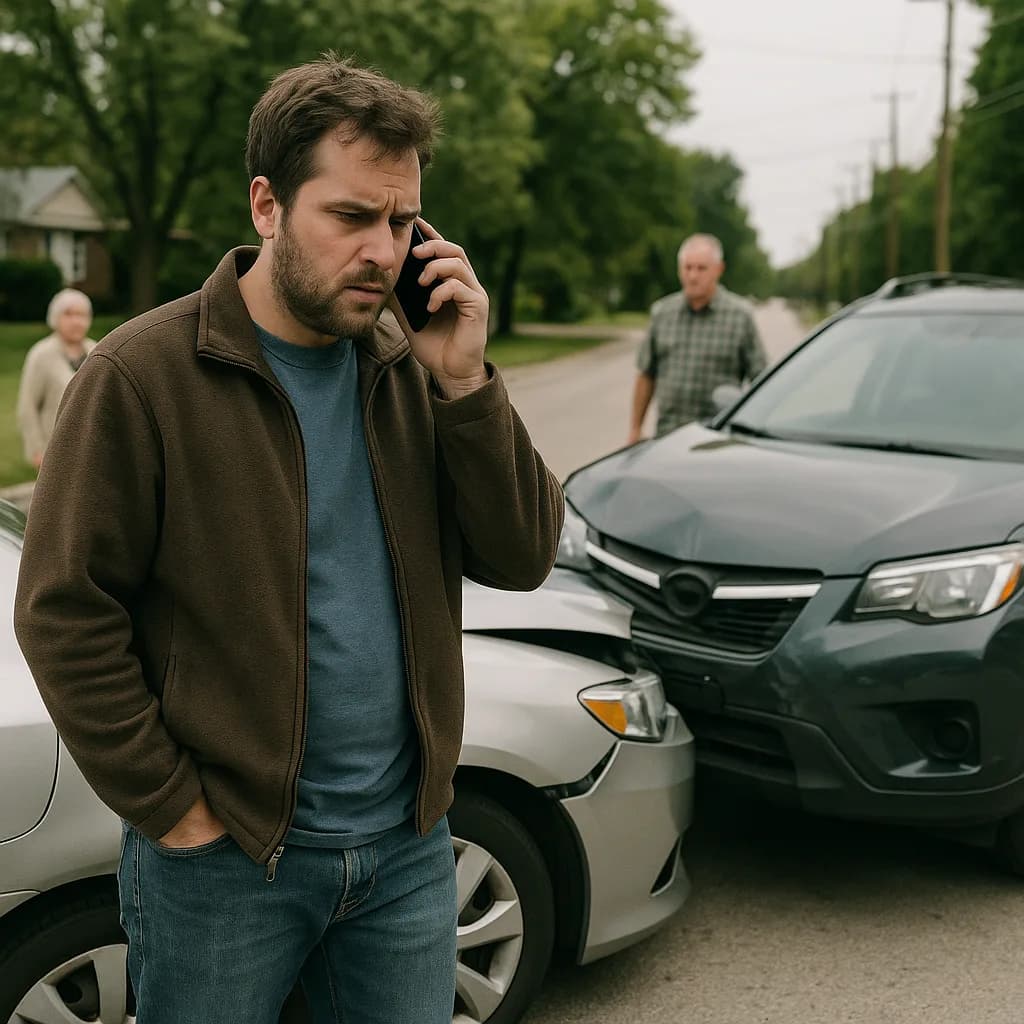
When you add roadside mid-term, the carrier treats it as a coverage change. That change re-rates the policy: the multi-car discount, the liability and full-coverage premiums for every vehicle, and any other discounts tied to policy structure all recalculate. In most cases the premium increase is small—the per-vehicle roadside charge plus a few dollars of re-rating adjustment—but occasionally the re-rating shifts a vehicle into a different tier or changes how the multi-car discount applies, producing a larger jump than expected.
To avoid surprises, request a re-quote before adding roadside mid-term. The carrier can show you the new total premium with roadside on one vehicle, on all vehicles, or on none. Compare that total against your current premium plus the cost of a standalone membership. If the re-rated premium exceeds your current cost by more than the standalone membership price, the standalone delivers better value.
Related Articles





When Standalone Memberships Beat Carrier Add-Ons
Standalone memberships also avoid the mid-term re-rating issue. You add or drop the membership without touching your insurance policy, so the multi-car discount and vehicle premiums stay locked. Carriers cannot re-rate based on a membership you hold outside the policy.
Some carriers waive the roadside fee when you carry collision and comprehensive on every vehicle, making the add-on effectively free. Check your declarations page or request a quote breakdown to see whether roadside is bundled or priced separately.
South Carolina Uninsured Motorist Rate
10.3%
10.3% of South Carolina motorists drive uninsured. Roadside assistance does not protect against uninsured drivers—uninsured motorist coverage does—but households managing multiple vehicles often evaluate both when structuring full-coverage policies.
Insurance Research Council, 2023
Coverage Scope and Service Limits
Carrier roadside typically covers towing to the nearest repair facility (distance limits vary, often 10–25 miles), battery jump-starts, flat tire changes, lockout service, and fuel delivery. Standalone memberships offer similar services but often include longer tow distances (AAA Plus covers 100 miles), trip interruption reimbursement, and coverage for motorcycles or RVs. Compare the service limits in your carrier's roadside policy against the standalone membership tier that matches your household's needs.
Roadside assistance does not cover mechanical repairs, only the service call. If your transmission fails 50 miles from home and your carrier's tow limit is 15 miles, you pay out of pocket for the remaining 35 miles. Standalone memberships with higher tow limits close that gap.
Compare Carriers and Membership Options
Request quotes from at least three carriers writing multi-car policies in South Carolina. Ask for the total premium with roadside on every vehicle, on one vehicle, and on none. Compare those totals against your current premium plus the cost of a standalone AAA or Better World Club membership. The carrier with the lowest total cost—including roadside—wins, not the carrier with the lowest base premium.
If you already carry a standalone membership, check whether your carrier offers a discount for dropping their roadside add-on. Some carriers reduce premium when you prove you hold outside roadside coverage. Others do not adjust pricing, in which case you are paying twice for the same service. Drop the carrier add-on and keep the standalone to avoid redundancy.