
Teen Driver Car Insurance — South Carolina
Free to compare
The Multi-Car Policy Re-Rating Reality
Your teenager just got their license and you need to add them to your South Carolina auto policy. You expected the premium to go up — but when the quote came back, every vehicle on your policy showed a higher rate, not just the car your teen will drive. That's not a mistake. When you add a driver to a multi-car policy in South Carolina, the carrier re-rates the entire policy based on the new household risk profile, and a newly-licensed driver changes that profile significantly.
This article walks through how South Carolina's multi-car discount interacts with teen driver rating, what the state requires for newly-licensed drivers under the Graduated Driver Licensing program, and how to structure coverage across your household's vehicles when one of those drivers is under 18. The goal is to meet South Carolina's minimum requirements — $25,000 per person, $50,000 per accident for bodily injury, and $25,000 for property damage — without paying more than the household's actual risk justifies.
“A teen on your policy re-rates every vehicle, not just the one they drive — the multi-car discount applies to the new total.”

Find Coverage That Keeps You Legal in South Carolina
Get My South Carolina Car Insurance Quote15 years old
SC Learner Permit Minimum Age
South Carolina allows teens to apply for a learner's permit at 15, hold it for 6 months with 40 hours of supervised driving, then move to an intermediate license at 15.5. The intermediate license carries night restrictions (6pm–6am EST, 8pm–6am EDT) and passenger limits (no more than 2 passengers younger than 21).
South Carolina Department of Motor Vehicles Graduated Driver Licensing rules
Why the Entire Policy Re-Rates
South Carolina carriers treat every driver in the household as a potential operator of every vehicle on the policy. When you add a teen, the carrier recalculates the risk for each car based on the possibility that the teen could drive it, even if you designate one specific vehicle as "theirs." That recalculation applies the teen's age, experience level, and violation-free status to the rating algorithm for every car listed.
The multi-car discount still applies — you're not losing that benefit — but the base premium for each vehicle rises before the discount is applied. A household with three cars and two experienced drivers might have been paying one rate; the same three cars with two experienced drivers and one newly-licensed 16-year-old will pay a higher rate on all three vehicles. The discount reduces the total, but it reduces a larger starting figure.
This is why some households see the total policy premium double when they add a teen, even though the teen is driving only one of the cars. The structural reality: the multi-car discount requires every vehicle and every driver to sit on the same policy, and every driver's risk profile affects every vehicle's rate.
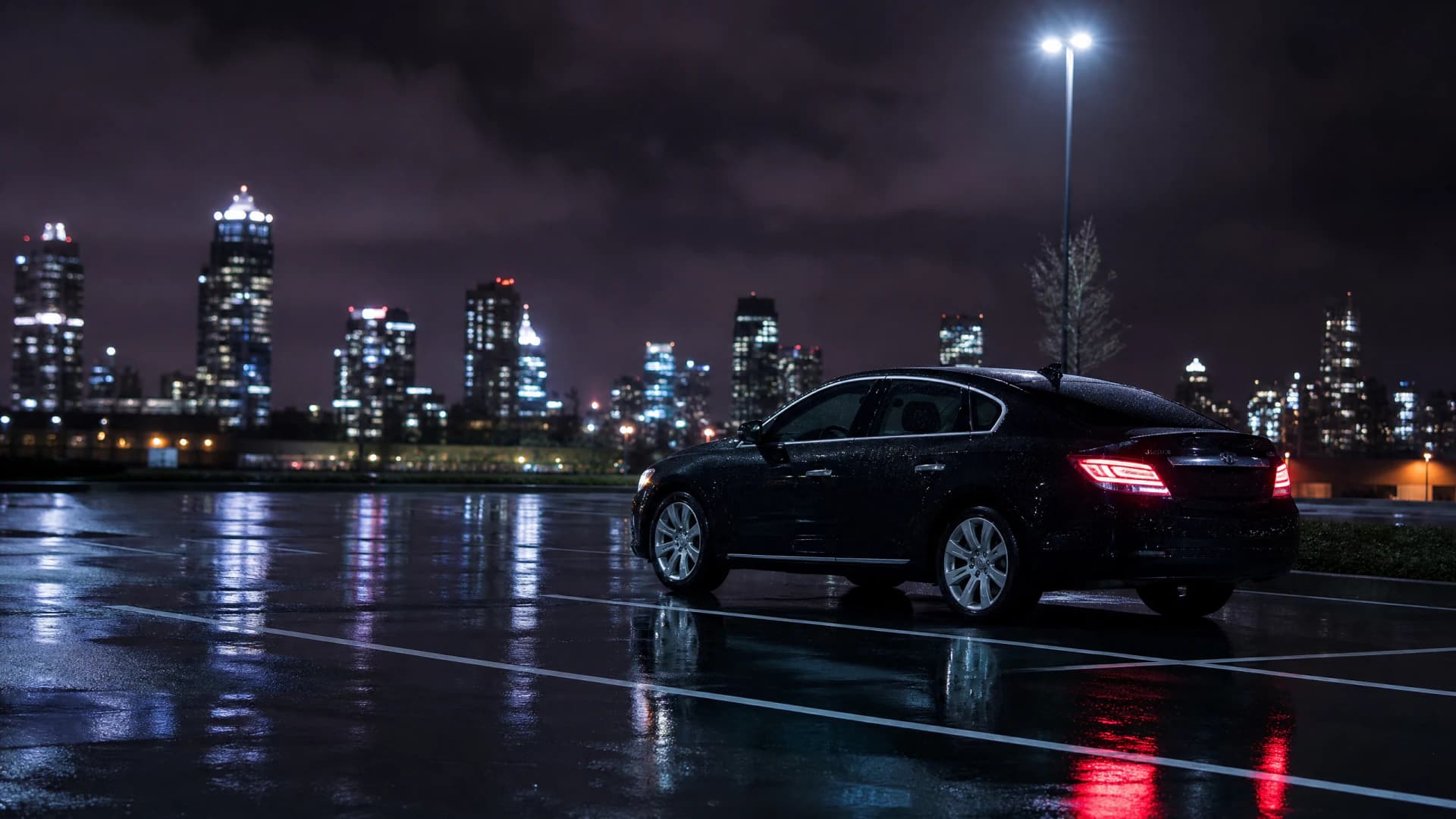
A teen driver on your policy re-rates every vehicle you insure, not just the one they drive. The multi-car discount applies to the new total.
Related Articles







Structuring Coverage Across Household Vehicles
Most South Carolina households with multiple cars and a teen driver keep every vehicle on one policy to preserve the multi-car discount. Splitting the teen onto a separate policy almost always costs more than the combined re-rated household policy, because the teen loses the multi-car discount and pays a standalone high-risk premium. The exception: households where the teen's vehicle is titled solely to the teen and garaged at a different address, which some carriers will not write on the same policy as the parents' cars.
When every vehicle stays on one policy, you control cost by choosing the right coverage levels for each car. South Carolina requires liability only — $25,000/$50,000/$25,000 — so you can meet the state minimum on the teen's car and carry higher limits or full coverage on the parents' vehicles. Collision and comprehensive are optional; if the teen's car is an older vehicle with low market value, dropping those coverages on that car alone reduces the total premium without affecting the other vehicles or the multi-car discount.
Some carriers allow you to designate a primary driver for each vehicle, which can lower the rate on cars the teen will not regularly drive. Not all South Carolina carriers offer this option, and it does not eliminate the teen's impact on the other vehicles entirely, but it can reduce the re-rating effect. Ask each carrier during the quote process whether they rate by primary driver or by household exposure.
If your household owns four or more vehicles and the teen will drive only one, verify that every car qualifies for the multi-car discount. Most carriers require every vehicle to be garaged at the same address and titled to a household member on the policy. A car titled to someone outside the household or garaged elsewhere may not count toward the discount, even if it's listed on the policy.
90.6%
SC Seat-Belt Use Rate
South Carolina's observed seat-belt use rate was 90.6% in 2022. Carriers often offer discounts for completion of defensive driving courses, which reinforce seat-belt use and other safe driving behaviors. Teens who complete a state-approved driver education course may qualify for a discount and can exit the intermediate license phase early.
South Carolina Department of Public Safety 2022 observational survey

Which Carriers Write Teen Drivers in South Carolina
Not every carrier in South Carolina writes policies for households with teen drivers, and those that do vary in how they rate the teen's impact on the multi-car policy. State Farm, Geico, Progressive, Allstate, Nationwide, and USAA all write multi-car policies with teen drivers in South Carolina. Acceptance Insurance, Dairyland, Bristol West, Direct Auto, The General, and GAINSCO write non-standard and high-risk policies and will cover teens, but typically at higher base rates than standard carriers.
When comparing carriers, ask each one how they handle the multi-car discount when a teen is added. Some carriers apply the discount after re-rating every vehicle for the teen; others calculate the teen's impact on a per-vehicle basis and apply the discount only to vehicles the teen will not primarily drive.
Compare Carriers That Write Your Household
The best way to control cost when adding a teen to your South Carolina multi-car policy is to compare quotes from at least three carriers that write both multi-car policies and teen drivers. Each carrier's rating algorithm weighs the teen's age, the number of vehicles, and the household's overall risk profile differently. One carrier's re-rated premium for your three-car household with a 16-year-old may be 30% lower than another's for identical coverage.
Start by confirming that each carrier you're comparing offers the multi-car discount and writes policies for households with drivers under 18. Then request quotes with the same liability limits and the same optional coverages on each vehicle so you're comparing equivalent policies. The quote process will show you how each carrier structures the teen's impact on your total premium and whether designating a primary driver for each car reduces the rate.
South Carolina Graduated Licensing and Insurance Implications
The learner's permit phase starts at 15. The teen must hold the permit for 6 months, complete 40 hours of supervised driving (10 at night), and pass a road test to advance. During this phase, the teen is covered under the household policy as a listed driver, but they cannot operate a vehicle alone. Carriers typically rate a permitted driver lower than an intermediate-licensed driver because the supervision requirement limits exposure.
The intermediate license phase starts at 15.5 and runs until the teen turns 17 or meets the early-exit criteria (one year violation-free and completion of a state-approved driver education course). Night driving is restricted to 6pm–6am Eastern Standard Time or 8pm–6am Eastern Daylight Time, and the teen cannot carry more than two passengers younger than 21 unless accompanied by a licensed driver 21 or older. Carriers rate this phase as the highest-risk period because the teen is operating independently but has minimal experience. At 17, the teen becomes eligible for a full unrestricted license, and the rating adjusts again.
Get Your Free Quote
Get My South Carolina Car Insurance QuoteFrequently Asked Questions
Does adding a teen driver to my South Carolina multi-car policy increase the rate on every vehicle?
Yes. South Carolina carriers re-rate the entire policy when you add a teen because every driver in the household is considered a potential operator of every vehicle. The multi-car discount still applies, but it applies to a higher base premium that reflects the teen's risk profile across all cars.
Can I keep my teen on a separate policy to avoid re-rating my other vehicles?
You can, but it almost always costs more. A standalone policy for a teen driver loses the multi-car discount and pays a high-risk premium. Keeping every vehicle on one household policy and adjusting coverage levels on the teen's car typically produces a lower total cost.
What is the minimum car insurance required for a teen driver in South Carolina?
$25,000 per person and $50,000 per accident for bodily injury liability, plus $25,000 for property damage. South Carolina also requires uninsured motorist coverage. Collision and comprehensive are optional; you can drop them on an older vehicle the teen drives to reduce cost.
Do South Carolina carriers offer discounts for teen drivers who complete driver education?
Yes. Most carriers writing in South Carolina offer a discount for completion of a state-approved driver education course. Teens who complete the course can also exit the intermediate license phase early (at one year violation-free instead of waiting until age 17), which may lower the carrier's rating.
How long does the intermediate license phase last in South Carolina?
From age 15.5 until the teen turns 17, or until they complete one year violation-free and finish a state-approved driver education course. During this phase, night driving is restricted (6pm–6am EST or 8pm–6am EDT) and the teen cannot carry more than two passengers younger than 21.
Which South Carolina carriers write multi-car policies with teen drivers?
State Farm, Geico, Progressive, Allstate, Nationwide, and USAA all write multi-car policies with teen drivers in South Carolina. Non-standard carriers like Acceptance Insurance, Dairyland, Bristol West, and The General also write teens but typically at higher base rates.