
Finding Affordable Multi-Car Insurance — South Carolina
Free to compare
You Just Added a Second Vehicle and Your Premium Jumped
You bought a second car, added it to your South Carolina policy mid-term, and the premium increased more than you expected. The carrier re-rated the entire policy, not just the new vehicle, and you're trying to understand whether you qualified for the multi-car discount or whether something about the way you added the car disqualified you.
The multi-car discount in South Carolina applies when two or more vehicles sit on the same policy, issued to the same policyholder, and typically garaged at the same address. But the discount is not automatic: if the second vehicle is titled to someone outside the household, or if you maintain separate policies for each car, the discount does not apply. This article clarifies the structural reality of multi-vehicle coverage in South Carolina, names the specific blockers that prevent the discount from applying, and walks the path to structuring your household's coverage correctly.
“The multi-car discount is not a household discount — it is a same-policy discount, and separate policies for each car do not qualify.”

Find Coverage That Keeps You Legal in South Carolina
Get My South Carolina Car Insurance Quote$25,000/$50,000/$25,000
South Carolina Minimum Liability
Every vehicle registered in South Carolina must carry at least $25,000 bodily injury per person, $50,000 bodily injury per accident, and $25,000 property damage. These minimums apply to each vehicle on your policy, and adding a second or third car does not reduce the per-vehicle requirement.
South Carolina Department of Insurance
The Multi-Car Discount Requires One Policy for Every Vehicle
The multi-car discount is not a household discount. It is a same-policy discount. If you own two cars but insure them on separate policies, you do not qualify, even if both policies are with the same carrier and both vehicles are garaged at the same address.
The discount applies when every vehicle sits on one policy, issued to one policyholder. If you and your spouse each maintain a separate policy and each policy covers one car, you are paying for two single-vehicle policies. Combining those policies into one household policy with both vehicles listed triggers the multi-car discount, but only if the carrier writes both vehicles on the same policy number.
South Carolina does not mandate the multi-car discount. Carriers offer it voluntarily, and the structure varies by carrier. Some carriers apply the discount to the second vehicle only; others apply a smaller discount to every vehicle after the first. The discount typically ranges from a modest percentage off the base premium, but the actual amount depends on the carrier's rating algorithm, the vehicles' garaging address, and the primary driver assigned to each car.
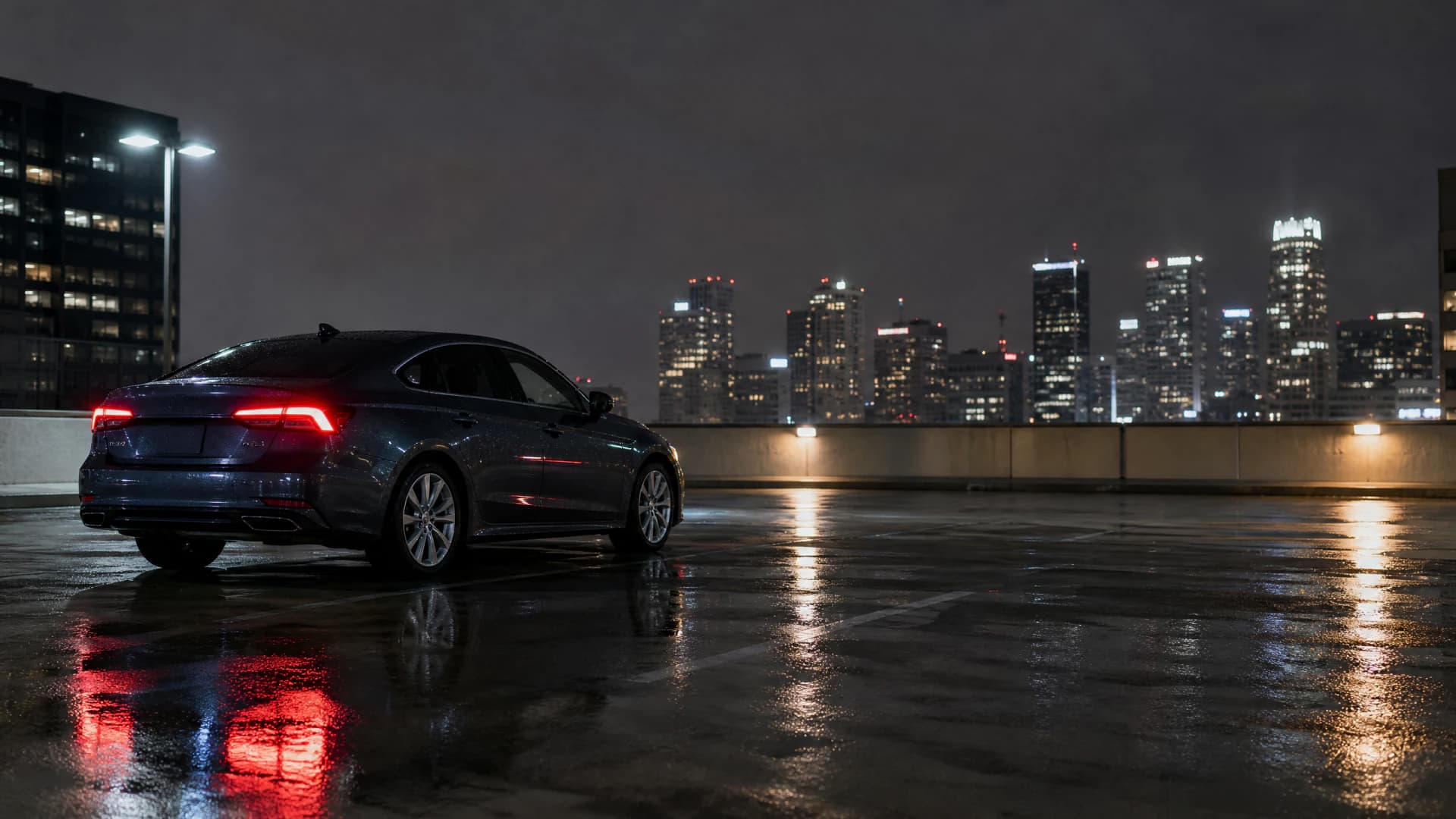
If the second vehicle is titled to someone outside your household or maintained on a separate policy, the multi-car discount does not apply, even if both cars are garaged at the same address.
Related Articles







When Adding a Vehicle Mid-Term Re-Rates the Entire Policy
Adding a vehicle mid-term triggers a policy re-rating, not a simple addition. The carrier recalculates the premium for every vehicle on the policy based on the new household risk profile. If the second vehicle is a high-value car, or if the primary driver assigned to it has a recent violation, the re-rating can increase the premium for the first vehicle as well.
South Carolina carriers typically provide a grace period during which a newly-purchased vehicle is covered under your existing policy without formal notification. The grace period is usually 14 to 30 days, but the exact window varies by carrier. If you do not notify the carrier and add the vehicle formally within that window, the carrier may deny a claim on the new vehicle, even if the accident occurs during the grace period.
To avoid a mid-term surprise, request a quote for adding the second vehicle before you buy it. The carrier can provide a revised premium estimate based on the new vehicle's VIN, and you can decide whether to proceed with the purchase or shop for a different vehicle that fits your budget. Once you buy the vehicle, notify the carrier immediately and confirm that the multi-car discount applied to the updated policy.
10.3%
South Carolina Uninsured Motorist Rate
One in ten South Carolina drivers operates without insurance. Uninsured motorist coverage is required in South Carolina and protects you when an at-fault driver cannot pay for damages. Adding a second vehicle to your policy does not increase the uninsured motorist requirement, but it does increase your exposure if you drop the coverage.
Insurance Research Council, 2023

Which South Carolina Carriers Write Multi-Vehicle Policies
Not every carrier writes multi-vehicle households the same way. Some carriers specialize in single-vehicle policies and do not offer a meaningful multi-car discount. Others structure their rating algorithms to favor households with two or three vehicles and offer the largest discounts to those households. The carrier roster in South Carolina includes 20 carriers writing auto insurance, and approximately half of them write multi-vehicle policies with a competitive discount structure.
State Farm, Geico, and Progressive write multi-vehicle policies in South Carolina and offer multi-car discounts that apply to the second and subsequent vehicles. Allstate and Nationwide also write multi-vehicle households, and both carriers offer bundling discounts when you combine auto and home insurance on the same account. Farmers and Travelers write multi-vehicle policies but typically require an agent to quote and bind the policy, rather than offering an online quote tool.
Compare Carriers That Write Your Household's Vehicle Count
The next step is to compare carriers that write households with your vehicle count and garaging address. Request quotes from at least three carriers, and confirm that each quote includes the multi-car discount applied to the same policy number. Compare the combined premium, not just the per-vehicle rate, because the discount structure varies by carrier and the lowest per-vehicle rate does not always produce the lowest combined premium.
When you compare quotes, confirm that every vehicle meets South Carolina's $25,000/$50,000/$25,000 minimum liability requirement and that uninsured motorist coverage is included on every vehicle. Some carriers quote minimum liability only by default, and you may need to request higher limits or add collision and comprehensive coverage separately. The quote should itemize the premium for each vehicle, the multi-car discount amount, and the total combined premium after the discount applies.
How to Structure Coverage Across Multiple Vehicles
Start by confirming that every vehicle you want to combine is titled to you or to a household member the carrier will recognize as part of the same policy. Most carriers define a household as family members living at the same address, but roommates or unmarried partners may not qualify under some carriers' household definitions. If the second vehicle is titled to someone the carrier does not recognize as a household member, you may need to retitle the vehicle or maintain separate policies.
Next, contact the carrier and request a quote for a multi-vehicle policy with every car listed on the same policy number. The carrier will re-rate the entire policy, not just add the second vehicle's premium to the first. The multi-car discount applies after the re-rating, so the combined premium may be lower than the sum of two separate policies, but not always. Compare the combined-policy quote to the sum of your current separate policies to confirm the savings before you commit.
Get Your Free Quote
Get My South Carolina Car Insurance QuoteFrequently Asked Questions
Does South Carolina require the same coverage on every vehicle on a multi-car policy?
South Carolina requires every vehicle to carry at least $25,000/$50,000/$25,000 liability and uninsured motorist coverage. You can add collision and comprehensive coverage to one vehicle and not another, but every vehicle must meet the state's minimum liability requirement.
Can I add my spouse's car to my South Carolina policy if it is titled to them?
Yes, if your spouse lives at the same address and the carrier recognizes them as a household member. Most South Carolina carriers define a household as family members living together, and a spouse qualifies under that definition even if the vehicle is titled separately.
How long do I have to add a newly-purchased vehicle to my South Carolina policy?
Most South Carolina carriers provide a 14 to 30 day grace period during which a newly-purchased vehicle is covered under your existing policy. Notify the carrier immediately after purchase to confirm the grace period and avoid a coverage gap.
Does the multi-car discount apply if I insure two cars with the same carrier on separate policies?
No. The multi-car discount requires every vehicle to sit on the same policy number. Two separate policies with the same carrier do not qualify for the discount, even if both policies are issued to the same person.
Can I drop collision coverage on an older vehicle and keep it on a newer one on the same South Carolina policy?
Yes. South Carolina does not require collision or comprehensive coverage on any vehicle, and you can structure coverage differently for each vehicle on the same policy. Every vehicle must still meet the state's minimum liability and uninsured motorist requirements.
What happens if I add a third vehicle mid-term to my South Carolina policy?
The carrier re-rates the entire policy based on the new household risk profile. The multi-car discount applies to the updated policy, but the combined premium may increase more than the cost of insuring the third vehicle alone, depending on the vehicle's value and the primary driver assigned to it.