
Minimum Coverage Car Insurance — South Carolina
Free to compare
What Minimum Coverage Means for Your Vehicles
You own two or three cars, and you want to know what it costs to insure them all at South Carolina's minimum required level. The state requires $25,000 per person for bodily injury, $50,000 per accident for bodily injury, and $25,000 for property damage — written as 25/50/25. That liability coverage pays for damage you cause to other people and their property.
What minimum coverage does not do: pay to repair or replace any of your own vehicles after a crash. If you hit another car, your liability coverage pays for their repairs up to $25,000. Your car sits in your driveway with a crumpled fender and no check coming. For a household with multiple vehicles, that gap matters more than it does for someone with one beater — you have more asset exposure and more replacement cost at stake.
“Minimum coverage satisfies the state but leaves every vehicle in your driveway unprotected after a crash, theft, or weather event.”

Find Coverage That Keeps You Legal in South Carolina
Get My South Carolina Car Insurance Quote$25,000
SC Property Damage Minimum
South Carolina's minimum property damage liability limit is $25,000 per accident. That ceiling applies no matter how many vehicles you own or how many you damage in a single crash.
South Carolina Department of Motor Vehicles
The Structural Reality: Liability Protects Others, Not You
Minimum coverage in South Carolina means liability only: bodily injury and property damage coverage that pays third parties when you cause a crash. The state does not require collision coverage (pays to fix your car after a crash regardless of fault) or comprehensive coverage (pays for theft, weather damage, vandalism, hitting an animal). Those coverages are optional.
South Carolina does require uninsured motorist coverage, which pays your medical bills and lost wages when an uninsured driver hits you. That coverage protects you, but it still does not fix your car. For vehicle damage caused by an uninsured driver, you need uninsured motorist property damage coverage — also optional in South Carolina.
The structural confusion: most drivers hear "minimum coverage" and assume it means "the least expensive way to insure my cars." It does not. It means "the least expensive way to meet the state's legal requirements while leaving your own vehicles unprotected." If you finance or lease any of your vehicles, the lender requires collision and comprehensive — minimum coverage will not satisfy that contract.
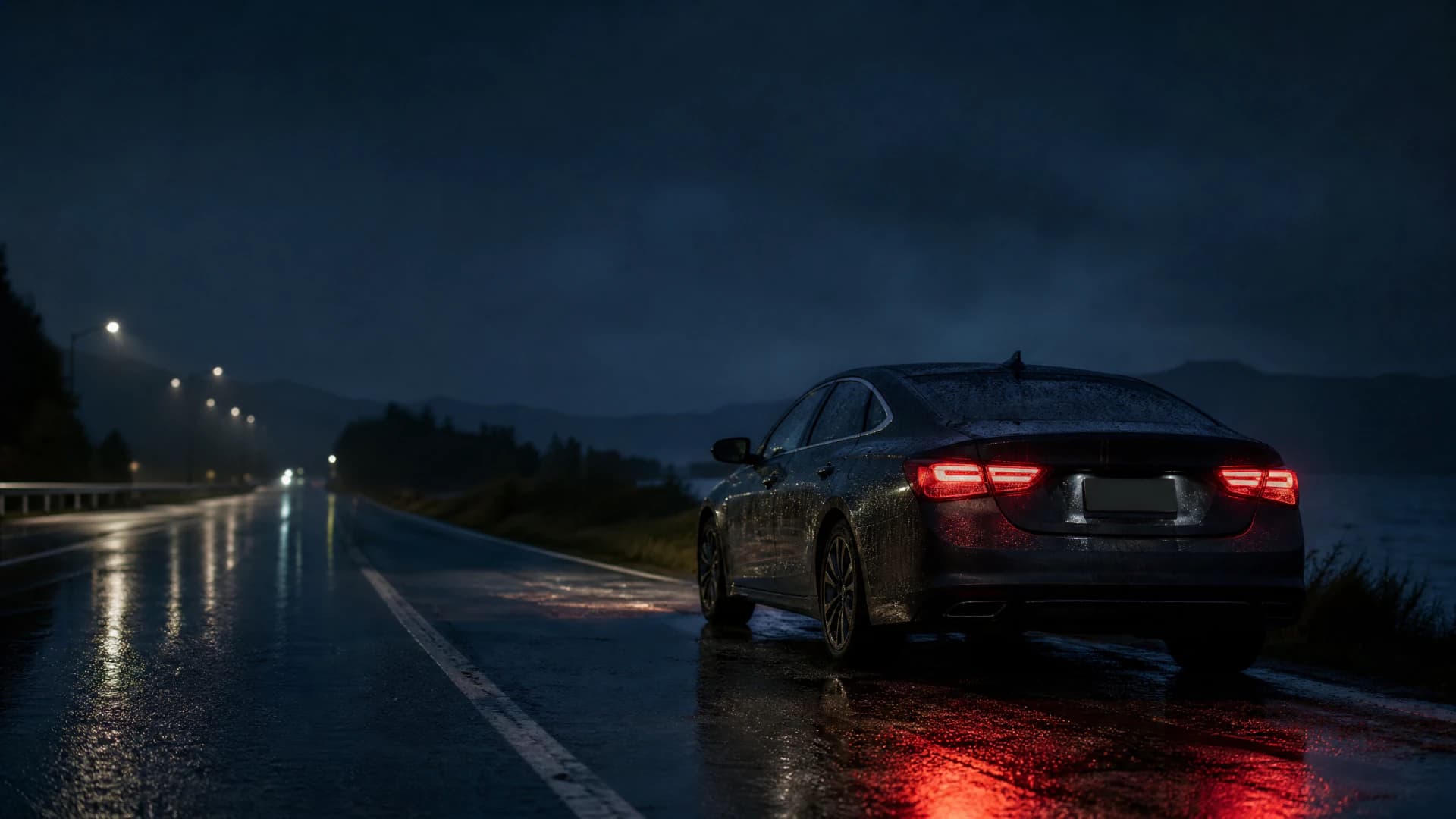
Minimum liability coverage pays nothing to repair or replace your own vehicles after a crash, theft, or weather event.
Related Articles


How Adding Vehicles Changes Your Coverage Structure
When you add a second or third vehicle to your policy, the liability minimums stay the same, but your exposure grows. You now have two or three vehicles that could be damaged, stolen, or totaled, and minimum coverage pays for none of that. Each additional vehicle is another asset sitting unprotected.
Carriers typically offer a multi-car discount when you insure more than one vehicle on the same policy. That discount lowers the per-vehicle cost, but it applies to the total premium — liability plus any optional coverages you add. If you carry only minimum liability on all three cars, the discount saves you money on a policy that still leaves every vehicle unprotected. The discount does not change what the coverage does.
The decision point: whether to add collision and comprehensive to some or all of your vehicles. Collision pays to repair your car after a crash regardless of who caused it; comprehensive pays for theft, hail, flood, fire, vandalism, and animal strikes. Together, those coverages protect your vehicles. Separately, they cost more than liability alone, and the cost scales with the number of vehicles you cover. A household insuring three cars at minimum liability might pay one amount; adding collision and comprehensive to all three roughly triples the non-liability portion of the premium.
10.3%
SC Uninsured Motorist Rate
10.3% of South Carolina drivers carry no insurance. When an uninsured driver damages your car, your minimum liability policy pays nothing — you need uninsured motorist property damage or collision coverage to recover repair costs.
Insurance Information Institute, 2023

The Path Forward: Comparing Minimum Versus Full Coverage
Full coverage is not a legal term — it is shorthand for a policy that includes liability, collision, comprehensive, and uninsured/underinsured motorist coverage. That combination protects both your legal obligation to others and your own vehicles. Minimum coverage satisfies the state but leaves your cars unprotected.
For a household with multiple vehicles, the comparison breaks into tiers. Newer vehicles, financed vehicles, and vehicles you cannot afford to replace out of pocket typically justify full coverage. Many households split the difference: full coverage on the two daily drivers, minimum coverage on the third car that sits in the driveway most of the week.
Run the comparison with your actual vehicles and your household's financial position. If losing one car means you cannot get to work or school, that car needs more than minimum coverage. If you have three paid-off cars and cash reserves to replace one, minimum coverage on the least-used vehicle is defensible. The state's minimum is a legal floor, not a recommendation.
Proof of Insurance and Enforcement
South Carolina requires proof of insurance at registration, renewal, and any traffic stop. The state participates in an electronic insurance verification system — the DMV and law enforcement can confirm your coverage status in real time. A lapsed policy on one vehicle can suspend your registration for all vehicles registered to your name.
When you add a vehicle to your household, you have a limited grace period to add it to your policy before the carrier stops covering it. That window varies by carrier — some give you 14 days, others 30 days. After that window closes, the new vehicle is uninsured even though you own a policy covering your other cars. Verify your carrier's grace period and add the vehicle before the deadline, or you risk driving uninsured without realizing it.
Compare Carriers and Coverage Levels
South Carolina has 21 carriers writing auto insurance in the state, including standard, preferred, and non-standard tiers. Minimum liability premiums vary by carrier, and the gap widens when you add collision and comprehensive. A carrier offering a low liability rate may price collision coverage higher; another may bundle discounts that lower the total cost for full coverage on multiple vehicles. The only way to know which structure fits your household is to compare quotes with your actual vehicles, drivers, and coverage selections entered.
Request quotes at minimum liability for all vehicles, then request quotes adding collision and comprehensive to each vehicle one at a time. That comparison shows you the incremental cost of protecting each car and lets you decide which vehicles justify full coverage. Use the state's minimum as the baseline, not the target. Your goal is not to meet the legal floor — it is to structure coverage that protects your household's vehicles and financial position at a cost you can sustain.
What the State Actually Requires
Bodily injury liability: $25,000 per person, $50,000 per accident. If you injure two people in a crash, the policy pays up to $25,000 for the first person's medical bills and lost wages, and up to $50,000 total for everyone injured in that accident. Property damage liability: $25,000 per accident, covering damage to the other driver's vehicle, fence, building, or other property you hit. Uninsured motorist coverage: South Carolina requires this coverage at the same limits as your bodily injury liability unless you reject it in writing. It pays your medical bills and lost wages when an uninsured or underinsured driver injures you.
These minimums apply per policy, not per vehicle. A household policy covering three cars carries one set of liability limits that apply regardless of which car you drive when a crash happens. Adding a second or third vehicle to your policy does not multiply your liability limits — you still have $25,000 property damage coverage per accident, whether you own one car or five.
Get Your Free Quote
Get My South Carolina Car Insurance QuoteFrequently Asked Questions
Does South Carolina require collision and comprehensive coverage?
No. South Carolina requires only liability coverage ($25,000/$50,000/$25,000) and uninsured motorist coverage. Collision and comprehensive are optional unless your lender or lessor requires them. Those coverages protect your own vehicles; the state does not mandate them.
Can I insure multiple cars with minimum coverage on one policy?
Yes. You can insure two, three, or more vehicles on one policy at South Carolina's minimum liability limits. The liability limits apply per accident, not per vehicle. Adding vehicles to the policy does not increase your liability coverage — you still have $25,000 property damage coverage regardless of how many cars you own.
What happens if I total my car and only have minimum coverage?
Your minimum liability policy pays nothing to repair or replace your car. Liability coverage pays for damage you cause to others. If you total your own car, you pay to replace it out of pocket unless you carry collision coverage.
Does the multi-car discount apply to minimum coverage policies?
Yes. Most carriers offer a multi-car discount when you insure more than one vehicle on the same policy, and that discount applies whether you carry minimum liability or full coverage. The discount lowers your total premium but does not change what the coverage protects.
How much does minimum coverage cost for two cars in South Carolina?
Cost varies by carrier, your driving record, vehicle types, and location. The only way to know what minimum coverage costs for your household is to request quotes from multiple carriers with your actual vehicles and drivers entered. Rates differ significantly across carriers even for identical coverage.
Can I carry minimum coverage on one car and full coverage on another?
Yes. You can structure different coverage levels for each vehicle on your policy. Many households carry full coverage on newer or financed vehicles and minimum liability on older paid-off cars. Each vehicle's coverage is priced separately based on its value and the coverages you select.