
Car Insurance Cost — South Carolina
Free to compare
What You Pay Starts With State Minimums
You are managing insurance for two or more vehicles in South Carolina, and you need to understand what the state requires before you can structure coverage that fits your household. Every registered vehicle must carry at least $25,000 bodily injury per person, $50,000 bodily injury per accident, and $25,000 property damage. South Carolina also mandates uninsured motorist coverage at the same limits. That mandatory uninsured-motorist layer adds cost that single-liability estimates omit.
The state minimum is the floor, not the recommendation. A household with multiple vehicles on one policy typically carries higher liability limits and adds collision and comprehensive coverage on financed or newer cars. The multi-car discount applies when every vehicle sits on the same policy, but the discount percentage and the base rate both vary by carrier. A smaller discount on a lower base rate can cost less than a larger discount on a higher one.
“A smaller discount on a lower base rate can cost less than a larger discount on a higher one.”

Find Coverage That Keeps You Legal in South Carolina
Get My South Carolina Car Insurance Quote$25,000/$50,000/$25,000
South Carolina Minimum Liability
South Carolina requires $25,000 bodily injury per person, $50,000 bodily injury per accident, and $25,000 property damage. Uninsured motorist coverage is mandatory at the same limits. Every registered vehicle must meet these minimums to operate legally.
South Carolina Department of Motor Vehicles
The Multi-Car Discount Requires One Policy
The multi-car discount saves money, but only when every vehicle in your household sits on the same policy. If you and a spouse each maintain separate policies, you forfeit the discount on both. If a household member's car is titled to someone outside the policy, that vehicle typically does not qualify. The same-policy requirement is structural, not optional.
Combining two policies after marriage or a household move usually lowers the combined premium, but not always. A household with one clean record and one driver carrying points or a recent violation may see the combined rate rise when the higher-risk driver joins the policy. The multi-car discount offsets part of that increase, but it does not eliminate it. Compare the combined quote against the sum of two separate policies before you merge.
South Carolina's mandatory uninsured-motorist coverage adds a layer to every vehicle on the policy. When you add a third or fourth car, that mandatory coverage re-rates across the entire policy, not just the new vehicle. The multi-car discount applies to the total premium, but the uninsured-motorist mandate ensures the total rises with each added vehicle.
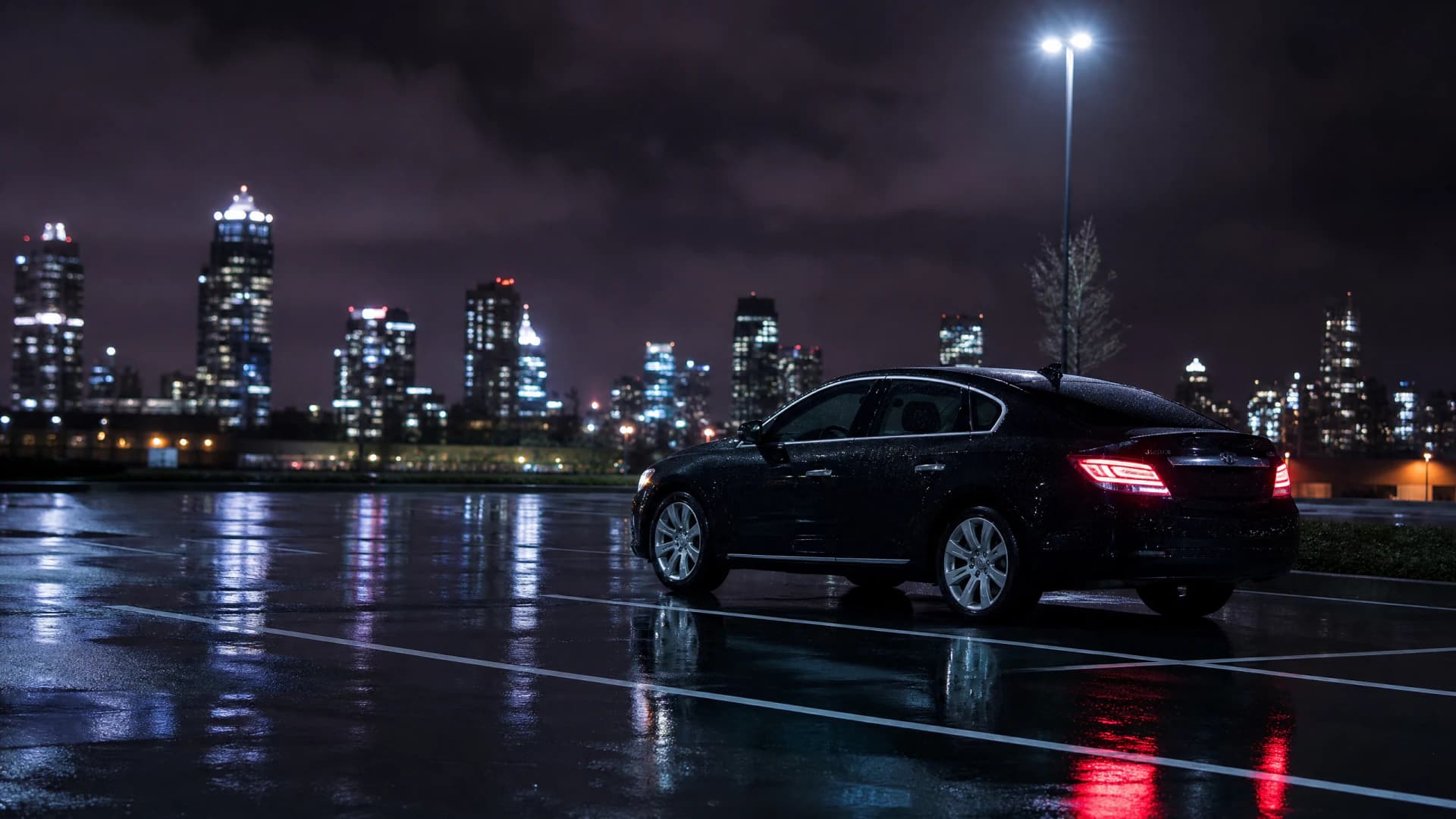
The multi-car discount applies only when every vehicle sits on the same policy. A car titled to someone outside the household typically does not qualify.
Related Articles





Coverage Choices Beyond the Minimum
Minimum liability and uninsured motorist coverage meet the state requirement, but they do not cover damage to your own vehicles. Collision and comprehensive coverage pay for repairs or replacement when your car is damaged in an accident, stolen, or hit by weather or vandalism. A financed or leased vehicle typically requires both. An older vehicle you own outright may not justify the added premium.
Full coverage means liability, uninsured motorist, collision, and comprehensive on every vehicle. A household with multiple cars often carries full coverage on financed or newer vehicles and drops collision and comprehensive on older cars worth less than ten times the annual premium. The deductible you choose affects the premium directly: a $500 deductible costs more per month than a $1,000 deductible, but it lowers your out-of-pocket cost at claim time.
Personal injury protection is optional in South Carolina. PIP covers medical expenses for you and your passengers regardless of fault, and it can reduce your exposure when the at-fault driver's liability limits are low. Some households add PIP to cover the gap between the state minimum and actual medical costs. Others rely on health insurance and skip it. The choice depends on your household's health coverage and risk tolerance.
10.3%
South Carolina Uninsured Motorist Rate
South Carolina reported 10.3% of motorists uninsured in 2023. The state's mandatory uninsured-motorist coverage protects you when an at-fault driver carries no insurance. That layer adds cost to every vehicle on your policy.
Insurance Information Institute, 2023

How Adding or Removing a Vehicle Changes the Premium
Adding a vehicle mid-term re-rates the entire policy, not just the new car. The carrier recalculates the base rate, applies the multi-car discount to the new total, and adjusts the uninsured-motorist premium to cover the added vehicle. The increase is not simply the cost of insuring one more car: it reflects the re-rated household risk and the mandatory coverage layers South Carolina requires. Some carriers offer a grace period during which a newly purchased vehicle is covered under your existing policy, typically 14 to 30 days. After that window, an unreported car can be denied at claim time.
Removing a vehicle from the policy also triggers a re-rate. The multi-car discount still applies if at least two vehicles remain, but the total premium drops less than you might expect because the base rate recalculates and the uninsured-motorist layer adjusts. If you drop to one vehicle, you lose the multi-car discount entirely. Notify the carrier immediately when you sell, total, or transfer a vehicle: continued premium charges for a car you no longer own do not refund automatically.
Compare Carriers That Write Multi-Car Policies in South Carolina
South Carolina has 26 carriers writing auto insurance in the state, and not all of them offer competitive multi-car rates. Some carriers specialize in households with clean records and newer vehicles; others write policies for households with violations, suspended licenses, or high-risk drivers. The multi-car discount percentage varies by carrier, but the base rate matters more. A carrier with a 15% multi-car discount on a high base rate costs more than a carrier with a 10% discount on a lower one.
Request quotes from at least three carriers that write multi-car policies in your county. Provide accurate information about every driver in the household, every vehicle you own, and every violation or claim in the past three years. Inaccurate information at quote time produces an inaccurate premium, and the carrier will re-rate the policy when they discover the discrepancy. Compare the total annual premium, not just the monthly payment, and confirm that every vehicle on the quote carries the state-required uninsured-motorist coverage. Use the comparison tool on this site to see which carriers write policies for households with your vehicle count and driving history in South Carolina.
What Drives the Premium for Multiple Vehicles
South Carolina's uninsured-motorist mandate adds cost to every vehicle on the policy. The state reported 10.3% of motorists uninsured in 2023, and the mandatory coverage protects you when an at-fault driver carries no insurance. That layer is not optional, and it re-rates when you add or remove a vehicle. A household with three cars pays the uninsured-motorist premium three times, once per vehicle.
Driving records matter more in a multi-car household because one driver's violation history affects the entire policy. A DUI, a suspended license, or multiple at-fault accidents in the past three years raise the base rate for every vehicle on the policy. The multi-car discount applies after the base rate is calculated, so a household with one high-risk driver pays more even with the discount applied. Carriers weight recent violations more heavily than older ones, and some carriers specialize in high-risk households while others decline them outright.
Get Your Free Quote
Get My South Carolina Car Insurance QuoteFrequently Asked Questions
What is the minimum car insurance required in South Carolina?
South Carolina requires $25,000 bodily injury per person, $50,000 bodily injury per accident, and $25,000 property damage. The state also mandates uninsured motorist coverage at the same limits. Every registered vehicle must carry these minimums to operate legally.
Does South Carolina require uninsured motorist coverage?
Yes. South Carolina mandates uninsured motorist coverage at the same limits as your liability coverage: $25,000 per person, $50,000 per accident, and $25,000 property damage. This coverage protects you when an at-fault driver carries no insurance. The state reported 10.3% of motorists uninsured in 2023.
How does the multi-car discount work in South Carolina?
The multi-car discount applies when you insure two or more vehicles on the same policy. The discount percentage varies by carrier, typically between 10% and 25%, but the base rate matters more than the discount size. A car titled to someone outside the household or on a separate policy does not qualify for the discount.
What happens if I add a car to my policy mid-term?
Adding a vehicle mid-term re-rates your entire policy, not just the new car. The carrier recalculates the base rate, applies the multi-car discount to the new total, and adjusts the uninsured-motorist premium. Most carriers offer a 14- to 30-day grace period during which a newly purchased vehicle is covered under your existing policy.
Do I need full coverage on every car in South Carolina?
No. South Carolina requires only liability and uninsured motorist coverage. Full coverage (liability, uninsured motorist, collision, and comprehensive) is required by lenders for financed or leased vehicles. For older cars you own outright, dropping collision and comprehensive can lower your premium if the vehicle is worth less than ten times the annual cost of those coverages.
How do driving records affect a multi-car policy premium?
One driver's violation history affects the entire policy. A DUI, suspended license, or multiple at-fault accidents in the past three years raise the base rate for every vehicle on the policy. The multi-car discount applies after the base rate is calculated, so a household with one high-risk driver pays more even with the discount.
Can I insure cars in two different states on one policy?
No. Auto insurance policies are issued in one state, and every vehicle on the policy must be garaged in that state. If you own vehicles garaged in two states, you need separate policies in each state. South Carolina requires proof of insurance issued by a carrier licensed in South Carolina for any vehicle registered here.