
Comprehensive Coverage for Multiple Vehicles — South Carolina
Free to compare
When Comprehensive Coverage Splits Across Your Vehicles
You insure two or more cars on one South Carolina policy, and you're trying to decide whether comprehensive coverage belongs on every vehicle or just some of them. The standard advice treats comprehensive as binary: you either carry it or you don't. But when you manage multiple vehicles, the decision splits by car. A newer vehicle with a loan typically requires comprehensive.
South Carolina does not mandate comprehensive coverage. The state requires only liability: $25,000 per person for bodily injury, $50,000 per accident, and $25,000 for property damage, plus uninsured motorist coverage. Comprehensive is optional. When you add a second or third vehicle to your policy, the carrier re-rates the entire policy and applies the multi-car discount to the combined premium. How you structure comprehensive across those vehicles changes what you pay and what protection you carry.
“Comprehensive coverage should vary by what each car is worth and how you use it—a uniform approach across every vehicle wastes premium.”

Find Coverage That Keeps You Legal in South Carolina
Get My South Carolina Car Insurance Quote$25,000 / $50,000 / $25,000
South Carolina Minimum Liability
South Carolina requires $25,000 bodily injury per person, $50,000 per accident, and $25,000 property damage. Uninsured motorist coverage is also mandatory. These minimums apply to every vehicle on your policy, but comprehensive and collision remain optional.
South Carolina Department of Motor Vehicles
What Comprehensive Coverage Actually Pays For
Comprehensive coverage pays for damage to your vehicle caused by events other than collision: theft, vandalism, fire, hail, flood, falling objects, and animal strikes. It does not cover damage from hitting another car or object—that's collision. It does not cover liability for damage you cause to someone else's property—that's your liability coverage.
When you file a comprehensive claim, you pay the deductible you selected when you bought the policy—typically $500 or $1,000—and the carrier pays the rest, up to the vehicle's actual cash value. The deductible you choose directly controls the claim value on lower-value vehicles.
South Carolina sees 217.3 motor vehicle thefts per 100,000 population. Weather events—hail, wind, and flood—are common across the state's coastal and inland regions. Comprehensive claims are not rare. The question for a multi-car household is not whether comprehensive coverage has value, but whether it has value on every vehicle you own.
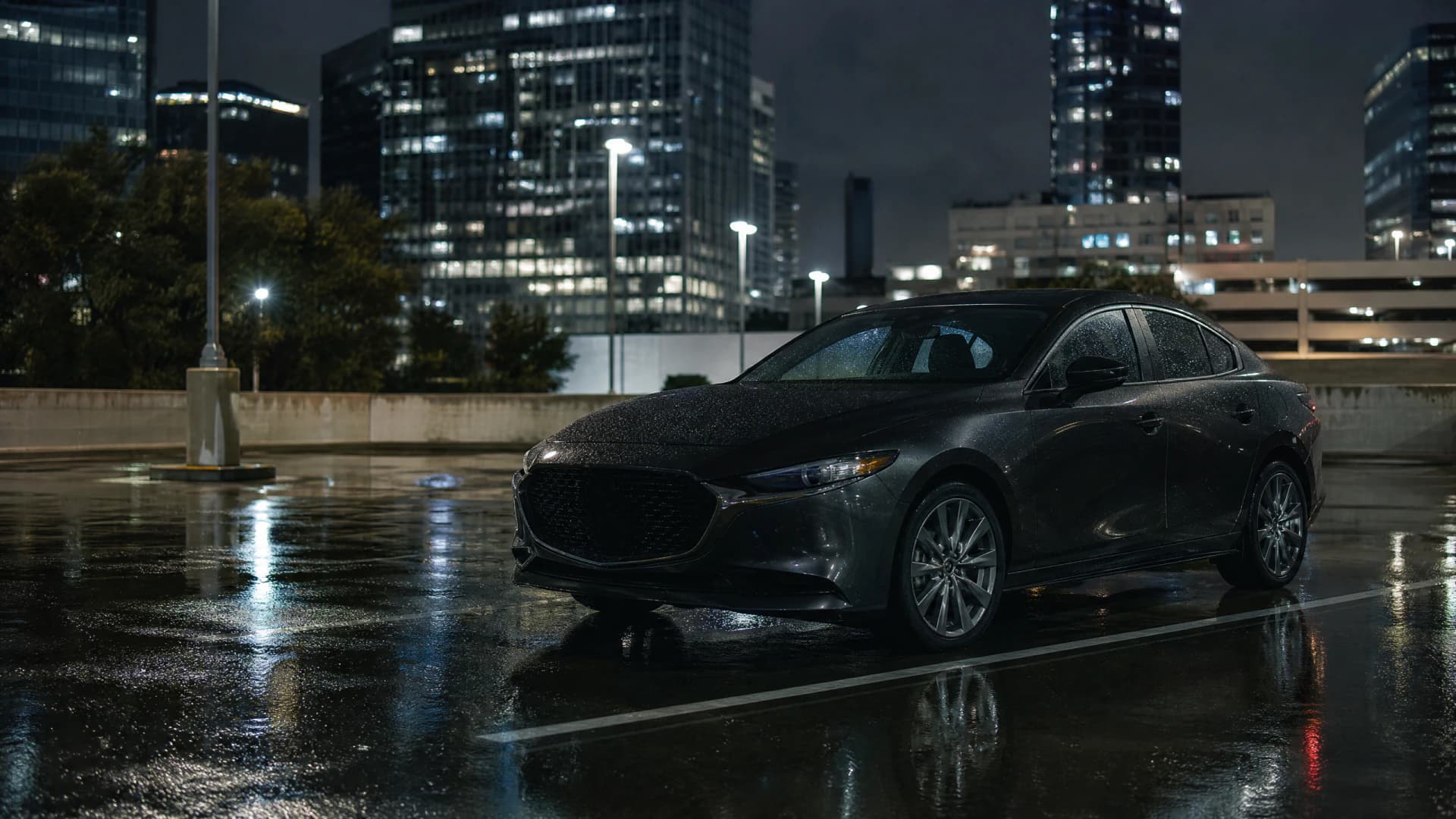
The multi-car discount applies to your total premium, not to individual vehicles. Dropping comprehensive on one car lowers the base premium the discount applies to.
Related Articles







How the Multi-Car Discount Interacts with Coverage Choices
The multi-car discount applies to the total premium for all vehicles on your policy. When you drop comprehensive on one vehicle, you lower the base premium the discount applies to. The discount percentage stays the same, but the dollar amount of the discount shrinks because the base is smaller. This does not mean you should keep comprehensive on every car to preserve the discount—it means you need to compare the premium saved by dropping comprehensive against the reduction in the discount.
Most carriers in South Carolina calculate the multi-car discount as a percentage applied to the combined premium after all other discounts.
The interaction works the same way in reverse. Adding comprehensive to a vehicle that previously carried only liability raises the base premium and increases the dollar value of the multi-car discount. The net cost of adding comprehensive is the premium increase minus the additional discount. Carriers do not penalize you for structuring coverage differently across vehicles. The multi-car discount rewards you for insuring multiple cars on one policy, not for carrying the same coverage on every car.
10.3%
South Carolina Uninsured Motorist Rate
One in ten South Carolina drivers operates without insurance. Uninsured motorist coverage is mandatory in the state and protects you when an uninsured driver causes damage. Comprehensive coverage protects your own vehicle from non-collision events, regardless of fault.
Insurance Information Institute, 2023

When Lenders Require Comprehensive on Specific Vehicles
If you finance or lease any vehicle on your multi-car policy, the lender or leasing company requires comprehensive and collision coverage on that specific vehicle. The requirement applies only to the financed or leased car, not to other vehicles on the same policy. You can carry comprehensive on the financed vehicle and liability-only on a second paid-off car without violating the loan agreement.
The lender monitors your coverage through electronic verification systems that confirm you maintain the required coverage levels. If you drop comprehensive on the financed vehicle, the lender receives a notice and may force-place coverage at a much higher cost, billed directly to your loan balance. Force-placed coverage protects only the lender's interest, not yours, and does not satisfy South Carolina's liability requirements. Dropping comprehensive on a financed vehicle is not an option. Structuring it selectively across your other vehicles is.
Compare Carriers That Write Multi-Car Policies in South Carolina
Carriers price comprehensive coverage differently, and those differences compound when you insure multiple vehicles. The gap widens when you add a second and third car. Comparing carriers on a multi-car policy requires quoting the exact same coverage structure across every vehicle so you see the true difference in total premium, not just the difference on one car.
South Carolina licenses multiple carriers that write multi-car policies, including Geico, State Farm, Progressive, Allstate, Nationwide, and Travelers. Request quotes with the same liability limits, the same comprehensive deductible, and the same vehicles covered under comprehensive. The carrier that offers the lowest premium on a single-car policy may not offer the lowest premium when you add a second or third vehicle. The multi-car discount percentage varies by carrier, and the base premium it applies to varies even more. Compare the final premium after all discounts, not the discount percentage alone.
How to Structure Comprehensive by Vehicle Value
Start with each vehicle's actual cash value. You can estimate this using the National Automobile Dealers Association guide, Kelley Blue Book, or your carrier's valuation tool. Compare that value to your deductible. Most drivers do not file total-loss comprehensive claims on five-year cycles. The math does not support carrying comprehensive on vehicles below the threshold where premium and maximum payout converge.
Apply the same analysis to each car on your policy. A financed or leased vehicle typically requires comprehensive as a condition of the loan. The decision is vehicle-specific, not policy-wide.
Get Your Free Quote
Get My South Carolina Car Insurance QuoteFrequently Asked Questions
Do I need comprehensive coverage on every car if I insure multiple vehicles in South Carolina?
No. South Carolina does not require comprehensive coverage on any vehicle. You need it only on financed or leased cars where the lender mandates it, or on vehicles where the claim payout justifies the annual premium.
Does dropping comprehensive on one vehicle affect my multi-car discount?
Yes, but not in the way most drivers assume. The multi-car discount applies to your total premium. Dropping comprehensive lowers the base premium, which reduces the dollar amount of the discount. You still save money overall because the premium reduction from dropping comprehensive exceeds the smaller discount.
Can I carry different deductibles for comprehensive coverage on different vehicles?
Yes. Most South Carolina carriers allow you to select a different comprehensive deductible for each vehicle on your policy. A higher deductible lowers the premium but increases what you pay out of pocket when you file a claim. Match the deductible to each vehicle's value and your ability to cover the deductible if you need to file.
What happens if I drop comprehensive on a financed vehicle?
The lender force-places coverage at a much higher cost and bills it to your loan balance. Force-placed coverage protects only the lender's interest, not yours, and does not satisfy South Carolina's liability requirements. You cannot drop comprehensive on a financed or leased vehicle without violating the loan agreement.
How do I know if comprehensive coverage is worth it on an older car?
Compare the vehicle's actual cash value to your deductible and the annual comprehensive premium. You recover the premium in about four years only if you file a total-loss claim. Most older vehicles do not justify the cost.