
Car Insurance Rates in South Carolina
Free to compare
What Drives Your Multi-Car Premium in South Carolina
You just added a second car to your South Carolina household and your premium jumped more than you expected. The carrier quoted a multi-car discount, but the combined premium for both vehicles is higher than you thought it would be after the discount applied. You're trying to understand what actually drives the rate across a multi-vehicle policy—and whether keeping both cars on one policy is the right structure.
South Carolina's rate structure for multi-car policies turns on three factors: the state's minimum liability requirements, how carriers calculate the multi-car discount, and whether every vehicle in your household sits on the same policy at the same garaging address. The discount exists, but it doesn't always produce the lowest combined premium—and the structure required to qualify for it blocks some households from using it at all.
“A smaller discount on a lower base rate can produce a lower combined premium than a larger discount on a higher base rate.”

Find Coverage That Keeps You Legal in South Carolina
Get My South Carolina Car Insurance Quote$25,000/$50,000/$25,000
South Carolina Liability Minimum
South Carolina requires $25,000 bodily injury per person, $50,000 bodily injury per accident, and $25,000 property damage. Every vehicle on your policy must carry at least this much coverage to register and drive legally. Adding a second vehicle doubles the exposure the carrier insures, which is why the premium increases even with a multi-car discount applied.
South Carolina Department of Motor Vehicles
The Multi-Car Discount Requires One Policy
The multi-car discount applies when you insure two or more vehicles on the same auto insurance policy. Most South Carolina carriers require every vehicle to be garaged at the same address and titled to members of the same household. If your spouse has a separate policy, or if a household member's car sits on a policy of its own, those vehicles do not count toward the multi-car discount on your policy.
The discount typically reduces the per-vehicle premium by a percentage, but that percentage applies to the base rate the carrier already calculated for each car. A smaller discount on a lower base rate can produce a lower combined premium than a larger discount on a higher base rate. Carriers writing multi-car policies in South Carolina include State Farm, Geico, Progressive, Allstate, Nationwide, Travelers, Liberty Mutual, Farmers, and USAA. Each calculates the discount differently, and each starts from a different base rate.
If you're comparing two carriers and one offers a multi-car discount while the other does not explicitly name one, compare the total premium for all vehicles combined. The carrier without a named discount may still price the multi-car policy lower than the carrier advertising the discount.

A vehicle titled to someone outside your household, or garaged at a different address, typically does not qualify for the same-policy multi-car discount—even if you pay the premium.






When Separate Policies Cost Less Than One Combined Policy
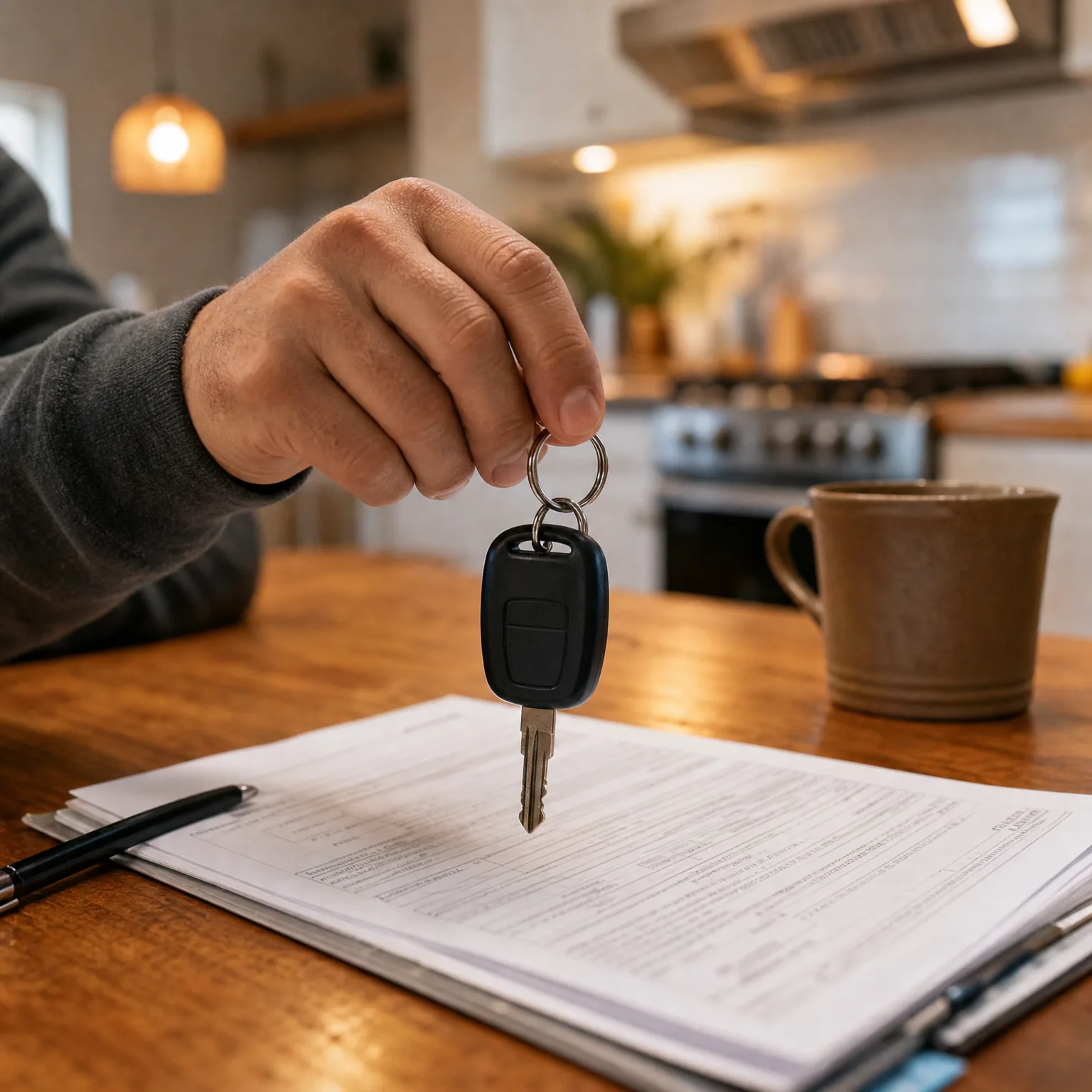
Some South Carolina households pay less by keeping vehicles on separate policies rather than combining them on one multi-car policy. This happens most often when one vehicle or one driver carries significantly higher risk than the others. A teen driver's car, a vehicle with a recent at-fault claim, or a car driven by someone with a DUI conviction can raise the base rate for the entire policy when combined. Splitting that vehicle onto its own policy isolates the higher rate and keeps the other vehicles on a lower-rated policy.
If you're married and each spouse has a separate policy, combining the policies into one multi-car policy usually lowers the total premium—but not always. If one spouse has a clean driving record and the other has recent violations or claims, the combined policy may price higher than two separate policies. Compare the total premium for both structures before you combine.
South Carolina allows you to insure vehicles on separate policies as long as each vehicle meets the state's minimum liability requirements and each driver listed on a policy is properly disclosed to the carrier. You cannot hide a household member or a garaged vehicle to avoid a rate increase—that is misrepresentation and can void coverage at claim time.
10.3%
South Carolina Uninsured Motorist Rate
10.3% of South Carolina drivers are uninsured, which is why the state requires uninsured motorist coverage on every auto policy unless you reject it in writing. Adding uninsured motorist coverage to a multi-car policy increases the premium, but it protects every vehicle and every driver on the policy if an uninsured driver hits you.
Insurance Information Institute, 2023

What to Compare When You Add a Vehicle
When you add a vehicle to your South Carolina policy, ask the carrier for a quote showing the premium with the new vehicle added and the premium breakdown for each car on the policy. Compare that quote to what you would pay if you insured the new vehicle on a separate policy. If the combined premium is lower, keep everything on one policy. If the separate-policy structure is lower, split the vehicles and keep the lower-rated cars together.
South Carolina does not require you to use the same carrier for every vehicle you own. You can insure one car with State Farm, another with Geico, and a third with Progressive if that combination produces the lowest total premium. The only requirement is that each vehicle carries at least the state's minimum liability limits and that you disclose every household member and every garaged vehicle to each carrier.
Compare Carriers Writing Multi-Car Policies in South Carolina
South Carolina licenses 20 carriers that write multi-car auto insurance policies statewide, including State Farm, Geico, Progressive, Allstate, Nationwide, Travelers, Liberty Mutual, Farmers, USAA, Amica, Auto-Owners, Hartford, National General, Southern Farm Bureau, Root, Bristol West, Dairyland, Direct Auto, Acceptance Insurance, and The General. Each carrier calculates the multi-car discount differently, and each starts from a different base rate for your vehicles, your household, and your garaging address. The only way to know which structure and which carrier produces the lowest combined premium is to compare quotes for every vehicle you own, on one policy and on separate policies, from multiple carriers. Use South Carolina Car Insurance Requirements' comparison tool to request quotes structured for your household's vehicles and see which carrier and which policy structure fits your situation.
How Adding a Vehicle Re-Rates the Policy
The carrier recalculates the premium for every vehicle on the policy, applying the multi-car discount to each one and adjusting for the combined risk profile. If the new vehicle is higher-risk—a sports car, a vehicle with a theft-prone model designation, or a car driven by a younger household member—the base rate for that vehicle can be high enough that the combined premium increases substantially even after the discount applies. The discount offsets part of the increase, but it does not eliminate it.
South Carolina does not cap how much a carrier can charge for a multi-car policy, and the state does not mandate a minimum multi-car discount percentage. Carriers set their own rates and discount structures, subject only to the requirement that rates be filed with and approved by the South Carolina Department of Insurance. If your premium increased more than you expected when you added a vehicle, request a breakdown showing the base rate for each car and the discount applied to each. That breakdown tells you whether the issue is the new vehicle's base rate or the size of the discount.
Get Your Free Quote
Get My South Carolina Car Insurance QuoteFrequently Asked Questions
Does South Carolina require a multi-car discount?
No. South Carolina does not require carriers to offer a multi-car discount, and the state does not mandate a minimum discount percentage. Carriers set their own discount structures, subject only to rate approval by the South Carolina Department of Insurance. Compare the total premium for all vehicles combined, not just the discount percentage.
Can I insure two cars on separate policies in South Carolina?
Yes. South Carolina allows you to insure vehicles on separate policies as long as each vehicle meets the state's $25,000/$50,000/$25,000 minimum liability requirements and each driver and garaged vehicle is properly disclosed to each carrier. Some households pay less with separate policies than with one combined multi-car policy.
What happens if I add a vehicle mid-term to my South Carolina policy?
The carrier re-rates the entire policy when you add a vehicle mid-term. It recalculates the premium for every vehicle on the policy, applies the multi-car discount to each one, and adjusts your premium for the remainder of the term. The increase is not simply the cost of the new vehicle—it reflects the combined risk profile of all vehicles on the policy.
Does a vehicle titled to my spouse qualify for my multi-car discount in South Carolina?
Yes, if your spouse's vehicle is on the same policy and garaged at the same address. If your spouse has a separate policy, that vehicle does not count toward your multi-car discount. Most South Carolina carriers require every vehicle on a multi-car policy to be garaged at the same address and titled to members of the same household.
How do I know if combining policies saves money in South Carolina?
Request a quote for all vehicles on one combined policy and compare it to the total premium for separate policies. If the combined premium is lower, keep everything on one policy. If separate policies cost less, split the vehicles. South Carolina does not require you to use the same carrier for every vehicle you own.