
Car Insurance Rate Increases After Accidents — South Carolina
Free to compare
When Your Rate Increases After a South Carolina Accident
You filed a claim after an accident in South Carolina, and your carrier just sent your renewal notice with a higher premium. The surcharge appeared at renewal, not immediately after the accident, because South Carolina carriers re-rate policies based on claim history only when the policy renews. The increase is not a penalty — it is a re-underwriting of your risk profile based on the new claim on your record.
The surcharge amount and duration depend on three factors: the carrier writing your policy, the severity of the accident (at-fault versus not-at-fault, injury versus property damage only), and whether you insure multiple vehicles on one policy. Multi-car households often see a smaller per-vehicle increase because the surcharge is spread across the policy's total premium base, but the household's combined premium still rises.
“The surcharge clock starts on the accident date, not the claim date or renewal date, and runs for three to five years depending on the carrier.”

Find Coverage That Keeps You Legal in South Carolina
Get My South Carolina Car Insurance Quote10.3%
South Carolina Uninsured Motorist Rate
One in ten South Carolina drivers carries no insurance, which increases the likelihood of filing an uninsured-motorist claim after an accident. Uninsured-motorist claims typically trigger smaller surcharges than at-fault collision claims, but they still appear on your claim history at renewal.
NAIC Auto Insurance Database Report 2023
How Long the Surcharge Lasts on Your South Carolina Policy
South Carolina carriers apply accident surcharges for three to five years from the accident date, not the claim date or the renewal date. The surcharge appears at your first renewal after the accident and remains on every subsequent renewal until the accident ages off your record. Most standard-tier carriers (Allstate, State Farm, Nationwide) apply surcharges for three years; non-standard carriers (Acceptance, Bristol West, Dairyland) often extend surcharges to five years.
The surcharge does not disappear gradually — it remains at full strength until the accident reaches the carrier's lookback period, then drops off entirely at the next renewal. If your accident occurred in March 2023 and your carrier applies a three-year lookback, the surcharge will appear on every renewal through March 2026, then disappear at your March 2026 renewal.
At-fault accidents with injury claims typically trigger longer surcharges than property-damage-only accidents. Some carriers distinguish between minor at-fault claims (under a threshold, often around two thousand dollars) and major claims; minor claims may drop off sooner or carry a smaller surcharge. Not-at-fault accidents and comprehensive claims (theft, weather, animal strikes) trigger smaller surcharges or none at all, depending on the carrier.

The surcharge clock starts on the accident date, not the claim date or renewal date. An accident in January 2023 will age off in January 2026 or 2028, regardless of when you filed the claim or when your policy renews.

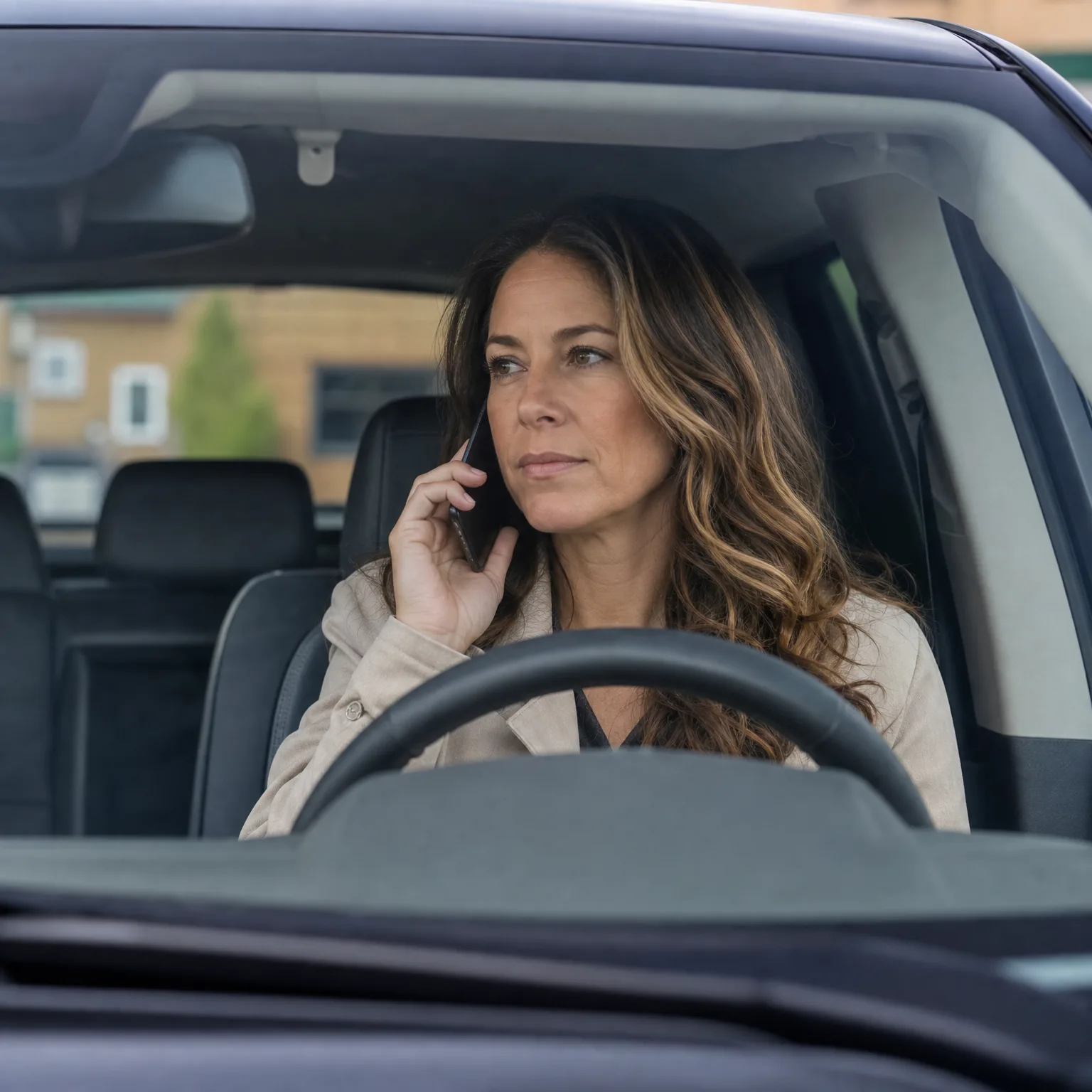





How Multi-Vehicle Policies Handle Accident Surcharges
When one driver on a multi-vehicle policy files an accident claim, the surcharge applies to the entire policy at renewal, not just to the vehicle involved in the accident. South Carolina carriers re-rate the policy based on the household's total risk profile, which includes every driver and every vehicle. The per-vehicle premium increase is often smaller on a multi-car policy than on a single-vehicle policy because the surcharge is spread across a larger premium base, but the household's total premium still rises.
If you insure three vehicles and one driver has an at-fault accident, the carrier will apply the surcharge to the policy's combined premium at the next renewal. The household may see a ten to twenty percent increase in total annual premium, but each individual vehicle's premium may rise by a smaller percentage. This structure makes multi-car policies more resilient to single-incident surcharges than single-vehicle policies, where the entire premium base absorbs the full surcharge.
Some carriers offer accident-forgiveness programs that waive the first at-fault accident surcharge for drivers who have been claim-free for a set period (typically three to five years). Accident forgiveness is more common on standard-tier policies and often requires enrollment before the accident occurs. If your household qualifies, the first accident will not trigger a surcharge, but subsequent accidents within the forgiveness period will.
$25,000 / $50,000 / $25,000
South Carolina Minimum Liability Limits
South Carolina requires twenty-five thousand dollars per person, fifty thousand dollars per accident for bodily injury, and twenty-five thousand dollars for property damage. Drivers carrying only minimum limits see smaller base premiums but larger percentage increases after an accident, because the surcharge applies to a smaller premium base.
South Carolina Department of Insurance

Comparing Carriers After an Accident Surcharge Appears
Once the surcharge appears on your renewal notice, compare quotes from other carriers writing South Carolina multi-vehicle policies. Carriers vary widely in how they rate post-accident drivers, and switching carriers can lower your premium even with the accident on your record. Standard-tier carriers (Geico, Progressive, State Farm) often offer lower post-accident rates than the carrier that surcharged you, especially if you have been claim-free for several years before the accident.
Non-standard carriers (Acceptance, Bristol West, Dairyland, Direct Auto, The General) specialize in post-accident and high-risk drivers and may offer lower rates than standard carriers once a surcharge appears. If your current carrier moved you to a non-standard tier or applied a steep surcharge, request quotes from carriers that write non-standard policies in South Carolina. These carriers expect claims on your record and price accordingly, which can produce a lower total premium than staying with a standard carrier that surcharged you heavily.
What You Can Do to Lower Your Premium After an Accident
You cannot remove the accident from your record before it ages off, but you can lower your premium by adjusting your coverage, increasing your deductible, or switching carriers. Raising your collision and comprehensive deductibles from five hundred dollars to one thousand dollars lowers your premium immediately and reduces the base amount the surcharge applies to. Dropping collision and comprehensive coverage on older vehicles (typically those worth less than three thousand dollars) eliminates the coverages most affected by accident surcharges, though you lose protection for damage to your own vehicle.
Multi-car households can lower premiums by ensuring every vehicle qualifies for the multi-car discount and by bundling auto and home or renters coverage with the same carrier. Some carriers apply the bundling discount before calculating the accident surcharge, which reduces the dollar amount of the increase. If your household insures vehicles across multiple policies, combining them onto one policy before the surcharge renewal can offset part of the increase.
Complete a defensive driving course if your carrier offers a discount for it. South Carolina does not mandate accident-surcharge reductions for defensive driving, but many carriers apply a small discount (typically three to five percent) that partially offsets the surcharge. Check with your carrier before enrolling to confirm the discount applies to your policy tier and that it stacks with other discounts.

Compare South Carolina Carriers That Write Post-Accident Policies
South Carolina licenses seventeen carriers that write multi-vehicle policies for drivers with recent accidents: Acceptance, Allstate, Bristol West, Dairyland, Direct Auto, Farmers, GAINSCO, Geico, Liberty Mutual, National General, Progressive, Root, State Farm, The General, and Travelers all write post-accident coverage. Standard-tier carriers (Geico, Progressive, State Farm) typically offer the lowest rates for drivers with one accident and no other violations; non-standard carriers (Acceptance, Bristol West, Dairyland, Direct Auto, The General) often offer better rates for drivers with multiple claims or a combination of accidents and violations. Request quotes from at least three carriers in each tier to find the lowest post-accident premium for your household. Your next renewal is the best time to switch — the surcharge is already on your record, and carriers compete for post-accident drivers who maintain continuous coverage.
What Determines the Size of Your Rate Increase
Standard-tier carriers (State Farm, Allstate, Geico, Progressive) calculate surcharges as a percentage of your base premium, which means households with higher base premiums see larger dollar increases. A household insuring three vehicles with a combined annual premium of four thousand dollars will see a larger dollar increase than a single-vehicle household with a one-thousand-dollar premium, even if both receive the same percentage surcharge. Multi-car policies absorb the surcharge across the total premium, which can make the per-vehicle increase smaller in percentage terms.
Non-standard carriers (Acceptance, Bristol West, Dairyland, Direct Auto, The General) often apply flat-dollar surcharges or move you to a higher rate tier after an accident. These carriers serve drivers with prior violations or claims, so a single accident may not trigger as steep a relative increase as it would with a standard carrier. If you already carry non-standard coverage, compare your post-accident renewal quote against quotes from other non-standard carriers — the surcharge amount varies widely across this tier.
Get Your Free Quote
Get My South Carolina Car Insurance QuoteFrequently Asked Questions
How long does an accident affect car insurance rates in South Carolina?
South Carolina carriers apply accident surcharges for three to five years from the accident date. Standard-tier carriers typically use a three-year lookback; non-standard carriers often extend surcharges to five years. The surcharge appears at your first renewal after the accident and remains until the accident ages off your record.
Does an accident raise rates for all vehicles on a multi-car policy in South Carolina?
Yes. When one driver on a multi-vehicle policy files an accident claim, the surcharge applies to the entire policy at renewal. The per-vehicle increase is often smaller because the surcharge spreads across a larger premium base, but the household's total premium rises.
Can I remove an accident from my South Carolina insurance record early?
No. The accident remains on your claim history for the carrier's full lookback period, typically three to five years. You cannot remove it early, but you can lower your premium by adjusting coverage, raising deductibles, or switching to a carrier that rates post-accident drivers lower.
Do not-at-fault accidents increase car insurance rates in South Carolina?
Most South Carolina carriers apply smaller surcharges or no surcharge for not-at-fault accidents, but the accident still appears on your claim history. Some carriers treat any claim as a risk factor and apply a small surcharge regardless of fault. Compare carriers after a not-at-fault claim to find one that does not surcharge for it.
Should I switch carriers after an accident surcharge appears in South Carolina?
Yes, if another carrier offers a lower post-accident rate. Carriers vary widely in how they rate drivers with recent accidents. Request quotes from standard-tier carriers (Geico, Progressive, State Farm) and non-standard carriers (Acceptance, Bristol West, Dairyland) to find the lowest premium for your household.
Does accident forgiveness prevent rate increases in South Carolina?
Accident forgiveness waives the first at-fault accident surcharge if you qualify, but it must be added to your policy before the accident occurs. It is more common on standard-tier policies and typically requires three to five years of claim-free driving. Subsequent accidents within the forgiveness period still trigger surcharges.