
Why Car Insurance Is So Expensive — South Carolina
Free to compare
The Multi-Car Premium Reality in South Carolina
You added a second or third vehicle to your South Carolina policy and the combined premium jumped more than you expected. The increase wasn't just the cost of insuring one more car—it felt like the entire policy got re-priced. That's because it did. When you insure multiple vehicles on one policy in South Carolina, every car on that policy is rated against the state's risk environment, and South Carolina's risk metrics are higher than many drivers realize.
The state's 10.3% uninsured motorist rate, 39% alcohol-impaired fatality percentage, and 217.3 vehicle thefts per 100,000 population all feed into how carriers price coverage here. For a household insuring two, three, or four vehicles, those risk factors compound across every car on the policy. Understanding what drives the cost—and which pieces you can control—starts with knowing what carriers are actually pricing against.
“Adding a car doesn't just add one vehicle's premium—it re-rates the entire household against South Carolina's elevated uninsured rate, theft rate, and impaired-driving risk.”

Find Coverage That Keeps You Legal in South Carolina
Get My South Carolina Car Insurance Quote10.3%
SC Uninsured Motorist Rate
More than one in ten drivers on South Carolina roads carries no insurance. That uninsured rate is higher than the national average and directly increases the cost of uninsured motorist coverage, which South Carolina mandates on every policy.
NAIC, 2023
What South Carolina's Risk Profile Actually Costs You
South Carolina requires uninsured motorist coverage on every auto policy. That mandate exists because 10.3% of drivers here carry no insurance at all. When you insure multiple vehicles, that mandated coverage applies to every car on your policy, and carriers price it against the likelihood they'll pay a claim when an uninsured driver hits one of your household's vehicles.
The state's alcohol-impaired fatality rate—39% of all traffic deaths involve a driver with a blood alcohol content of .08 or higher—signals elevated collision risk. Carriers factor that into liability and collision pricing. South Carolina's vehicle theft rate of 217.3 per 100,000 population is above the national median, which pushes comprehensive premiums up. For a household with three or four cars, those risk-driven increases stack across every vehicle.
The state's minimum liability limits are $25,000 per person for bodily injury, $50,000 per accident, and $25,000 for property damage. Those minimums are lower than many states, but meeting them doesn't insulate you from the state's risk environment. Carriers price based on what they expect to pay out in claims, and South Carolina's uninsured rate, impaired-driving fatality percentage, and theft rate all increase that expectation.
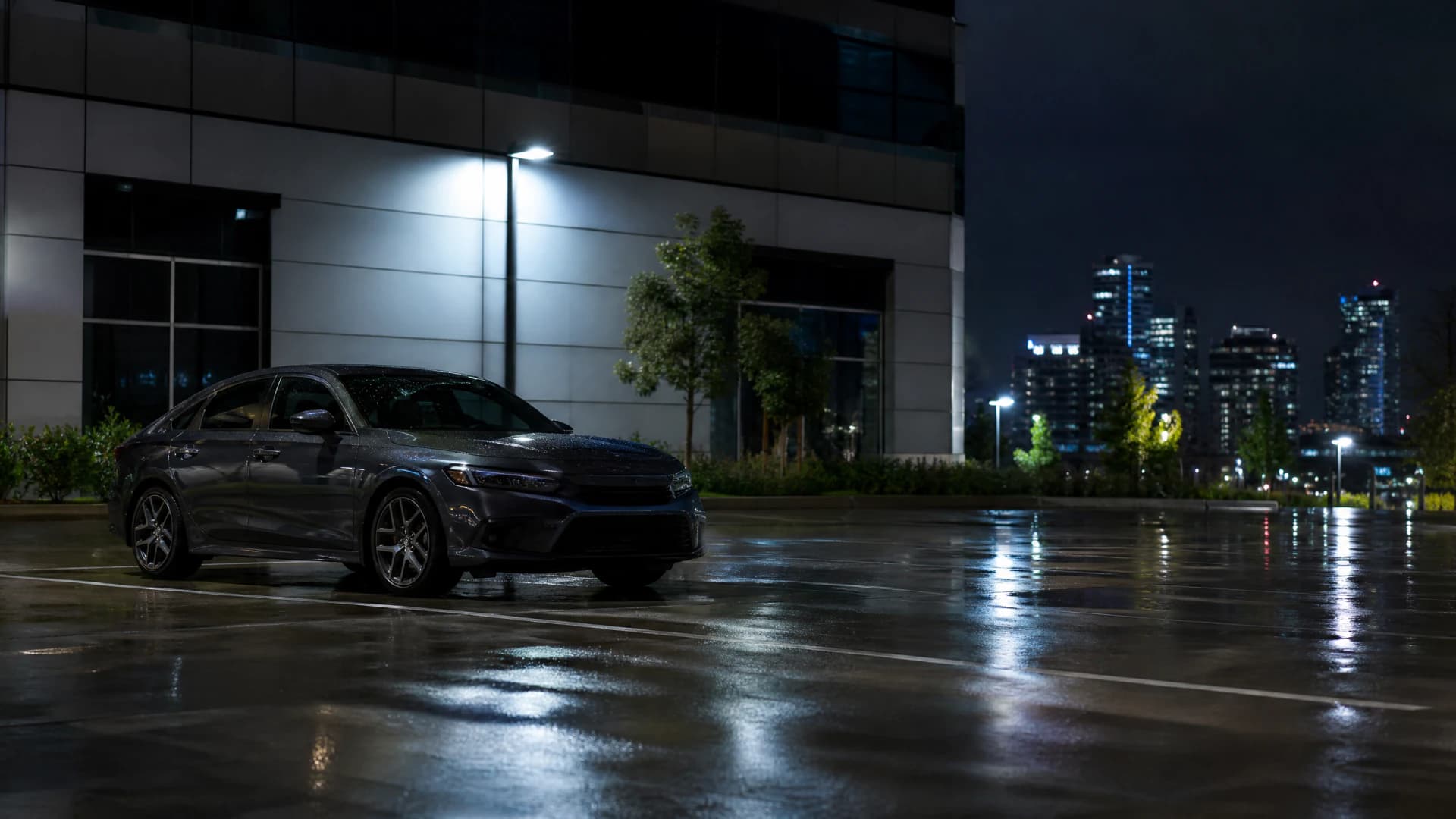
Every vehicle on your South Carolina policy is priced against the same elevated uninsured rate, theft rate, and impaired-driving risk—adding a car doesn't just add one vehicle's premium, it re-rates the entire household.





The Coverage Decisions That Control Cost
South Carolina mandates liability coverage at $25,000/$50,000/$25,000 and uninsured motorist coverage. Beyond those requirements, every other coverage decision is yours. Collision and comprehensive are optional, and for a household insuring multiple vehicles, those optional coverages are where cost control lives. A household with three cars can carry full coverage on the two vehicles driven daily and liability-only on a third vehicle that sits parked most of the week. That structure meets the state's requirements and cuts the total premium significantly.
Deductible choice matters more on a multi-car policy than on a single-car policy because you're making the choice multiple times. A $500 deductible versus a $1,000 deductible on one car is a modest premium difference. That same choice across three or four vehicles compounds into a larger total-policy difference. Higher deductibles lower premiums, but only if you can cover the out-of-pocket cost when a claim happens on any of the household's vehicles.
Uninsured motorist coverage is mandatory in South Carolina, but you can choose the limits. Minimum uninsured motorist limits match your liability limits—$25,000/$50,000. Higher uninsured motorist limits cost more, but they protect you when one of the 10.3% of uninsured drivers hits one of your household's cars and the damage exceeds the minimum. For a multi-car household, that protection applies across every vehicle on the policy, which makes the cost-versus-coverage trade-off more consequential than it is for a single-car driver.
217.3 per 100k
SC Vehicle Theft Rate
South Carolina's vehicle theft rate is above the national median, which increases comprehensive coverage premiums. For a household insuring multiple vehicles, that theft-driven cost applies to every car on the policy.
FBI UCR, 2024

Why Comparing Carriers Matters More for Multi-Car Households
A household insuring two or more vehicles in South Carolina has more pricing variance across carriers than a single-car household does. Carriers weight risk factors differently: one may price uninsured motorist coverage conservatively and theft risk aggressively, another may do the opposite. When you're insuring three or four vehicles, those weighting differences multiply across every car on the policy.
The multi-car discount itself varies by carrier. Some carriers apply a flat percentage to the second and subsequent vehicles; others tier the discount so the third and fourth vehicles receive a larger reduction than the second. A household adding a third car to an existing two-car policy should compare not just the total premium but the per-vehicle breakdown to see which carrier's discount structure favors their specific vehicle count. Carriers writing multi-car policies in South Carolina include State Farm, GEICO, Progressive, Allstate, Nationwide, Liberty Mutual, Farmers, Travelers, and others—each with different discount structures and risk-weighting models.
What You Can't Change and What You Can
You cannot change South Carolina's 10.3% uninsured rate, its 39% alcohol-impaired fatality percentage, or its vehicle theft rate. Those are the state's structural risk factors, and every carrier writing here prices against them. What you can change is which carrier prices your household's vehicles, which coverages you carry on each car, and which deductibles you choose. For a multi-car household, those controllable variables have more dollar impact than they do for a single-car driver because every decision applies across multiple vehicles.
A household insuring multiple cars in South Carolina should compare carriers annually. Risk factors change, carrier pricing models change, and your household's vehicle mix changes when you add or remove a car. A carrier that priced your two-car household competitively two years ago may no longer be the best fit for your three-car household today. Comparing carriers that write multi-car policies in South Carolina—and comparing them against your current total premium, not just the per-vehicle cost—is the structural action that controls cost over time.

Compare Carriers Writing Multi-Car Policies in South Carolina
South Carolina's elevated uninsured rate, impaired-driving fatality percentage, and vehicle theft rate make multi-car insurance more expensive here than in lower-risk states. The compounding effect across every vehicle on your policy is structural, not avoidable. The action that controls cost is comparing carriers that write multi-car policies in South Carolina and choosing the one that prices your household's specific vehicle count, coverage selections, and risk profile most favorably. Compare State Farm, GEICO, Progressive, Allstate, Nationwide, Liberty Mutual, Farmers, Travelers, and other carriers writing here to see which one delivers the lowest total premium for your household's cars.
How Multi-Car Policies Compound State Risk Factors
A single-car policy absorbs South Carolina's uninsured motorist mandate, theft rate, and impaired-driving risk once. A three-car policy absorbs those same factors three times. The multi-car discount—typically a percentage reduction applied when you insure more than one vehicle on the same policy—offsets some of that compounding, but it doesn't eliminate it. If the underlying risk environment is expensive, the discount reduces an already-elevated base.
Carriers writing in South Carolina include State Farm, GEICO, Progressive, Allstate, Nationwide, Travelers, Liberty Mutual, and Farmers, among others. Each carrier prices the state's risk factors differently, and those pricing differences widen when you're insuring multiple vehicles. A carrier that prices uninsured motorist coverage aggressively will charge more across every car on your policy. A carrier that weights theft risk heavily will penalize a household with multiple vehicles more than one with a single car. Comparing carriers that write multi-car policies in South Carolina is the only way to see which one prices your household's specific risk profile most favorably.
Get Your Free Quote
Get My South Carolina Car Insurance QuoteFrequently Asked Questions
Why is car insurance more expensive in South Carolina than other states?
South Carolina's 10.3% uninsured motorist rate, 39% alcohol-impaired fatality percentage, and 217.3 vehicle thefts per 100,000 population all increase the likelihood carriers will pay claims here. Those elevated risk factors push premiums up across every vehicle on a multi-car policy.
Does the multi-car discount offset South Carolina's high insurance costs?
The multi-car discount reduces the per-vehicle premium when you insure more than one car on the same policy, but it applies to an already-elevated base cost driven by South Carolina's risk environment. The discount helps, but it doesn't eliminate the underlying cost pressure from the state's uninsured rate, theft rate, and impaired-driving fatality percentage.
What is South Carolina's minimum car insurance requirement?
South Carolina requires $25,000 per person and $50,000 per accident in bodily injury liability, $25,000 in property damage liability, and uninsured motorist coverage. Those minimums apply to every vehicle on your policy, and carriers price them against the state's 10.3% uninsured motorist rate.
How does South Carolina's uninsured motorist rate affect my premium?
South Carolina mandates uninsured motorist coverage on every policy because 10.3% of drivers here carry no insurance. Carriers price that mandated coverage based on the likelihood an uninsured driver will hit one of your household's vehicles, which increases the cost across every car on a multi-car policy.
Should I carry full coverage on every car in my South Carolina household?
Full coverage—liability, collision, and comprehensive—is optional beyond South Carolina's minimum liability and uninsured motorist requirements. A household insuring multiple vehicles can carry full coverage on daily-driven cars and liability-only on a vehicle that sits parked most of the time, which lowers the total premium while meeting state requirements.
Which carriers write multi-car policies in South Carolina?
State Farm, GEICO, Progressive, Allstate, Nationwide, Liberty Mutual, Farmers, Travelers, Hartford, and others write multi-car policies in South Carolina. Each carrier prices the state's risk factors differently, and those pricing differences widen when you're insuring multiple vehicles.
How often should I compare car insurance carriers in South Carolina?
Compare carriers annually or whenever you add or remove a vehicle from your household. Carrier pricing models change, and a carrier that priced your two-car household competitively last year may no longer be the best fit for your three-car household today.